
Description
Reed sweet grass (Glyceria maxima) is a tall, vigorous native wetland grass commonly found across the UK in marshy ground, wet ditches, and ground near rivers, streams, and ponds. This aquatic grass thrives in waterlogged soil and along pond margins, where it forms dense stands that support pond wildlife and other aquatic creatures.
As a rhizomatous perennial grass, it plays an important role in soil erosion control, soil stabilisation, and water filtration, making it valuable for riparian restoration and wetland habitats.
How to identify
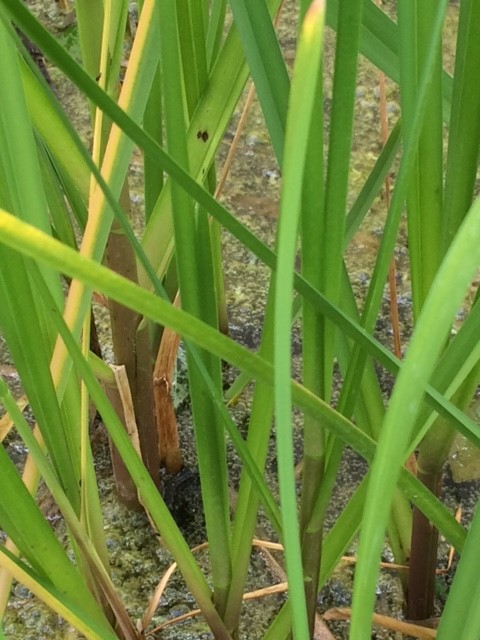
Glyceria maxima grows up to 1.5–2m tall, with broad, glossy green leaves and strong upright stems arising from spreading rhizomes.
In early to mid-summer, it produces large, open flowering panicles (flower heads) that start green and develop purplish tones as they mature. These airy flower clusters stand well above surrounding vegetation, giving the plant a bold, architectural presence in wetlands and pond edges.
How to grow
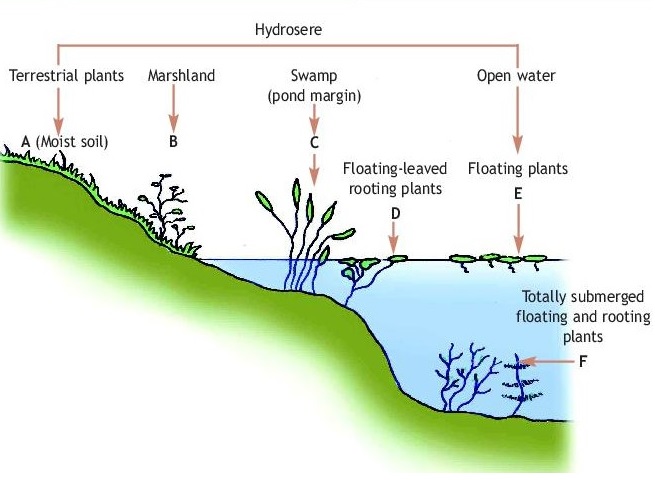
Reed sweet grass grows best in full sun or light partial shade, in moist soil, shallow water, or permanently damp ground. It is ideal for pond margins, wetland planting schemes, and naturalistic water features. Plants can be grown directly in the ground or contained in an aquatic basket or planting basket to help manage spread.
This vigorous perennial grass is generally pest and disease-free, though occasional cutting back helps maintain shape and control growth. Due to its strong spreading habit, it is best suited to larger ponds or wetland areas rather than small garden features.