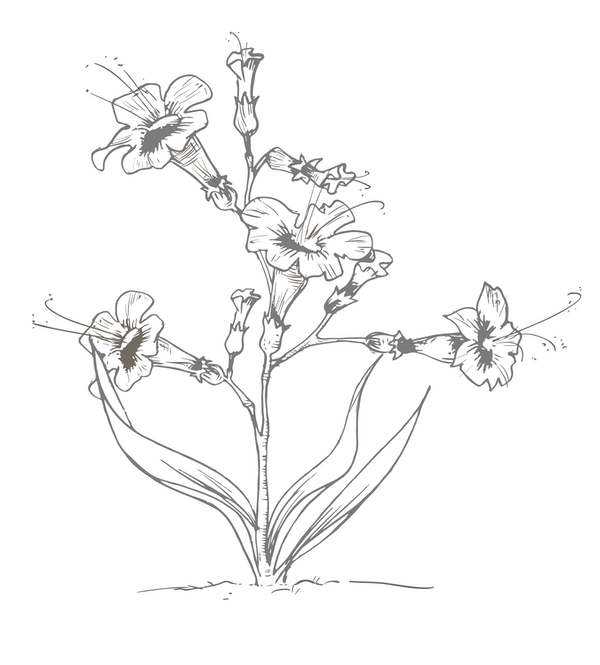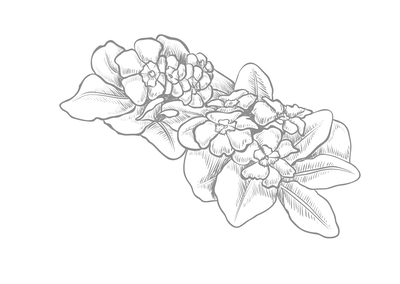

Description
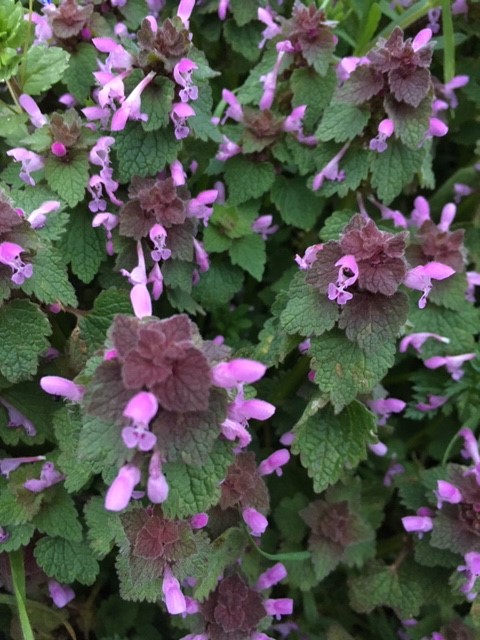
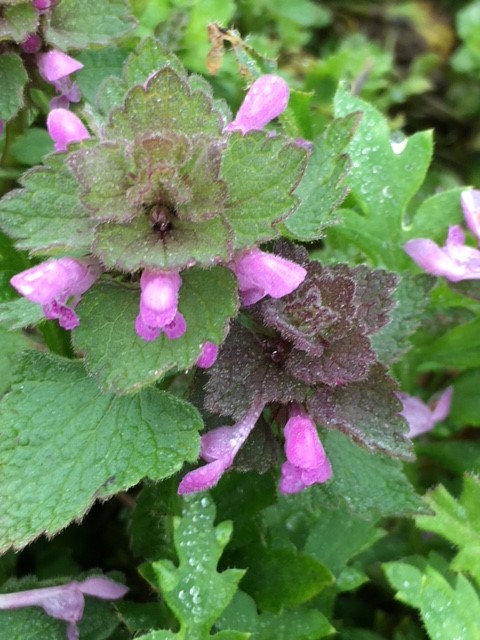
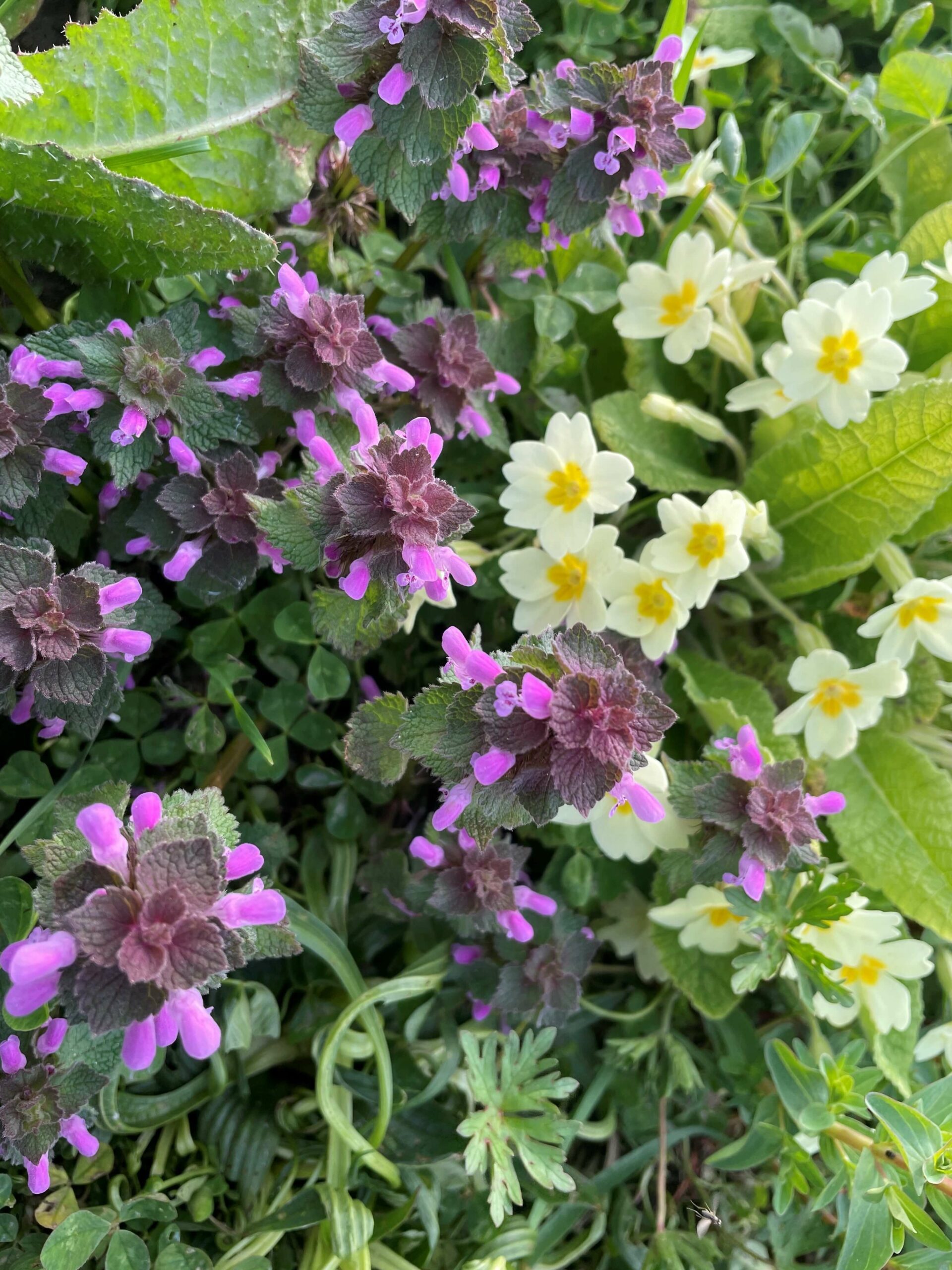
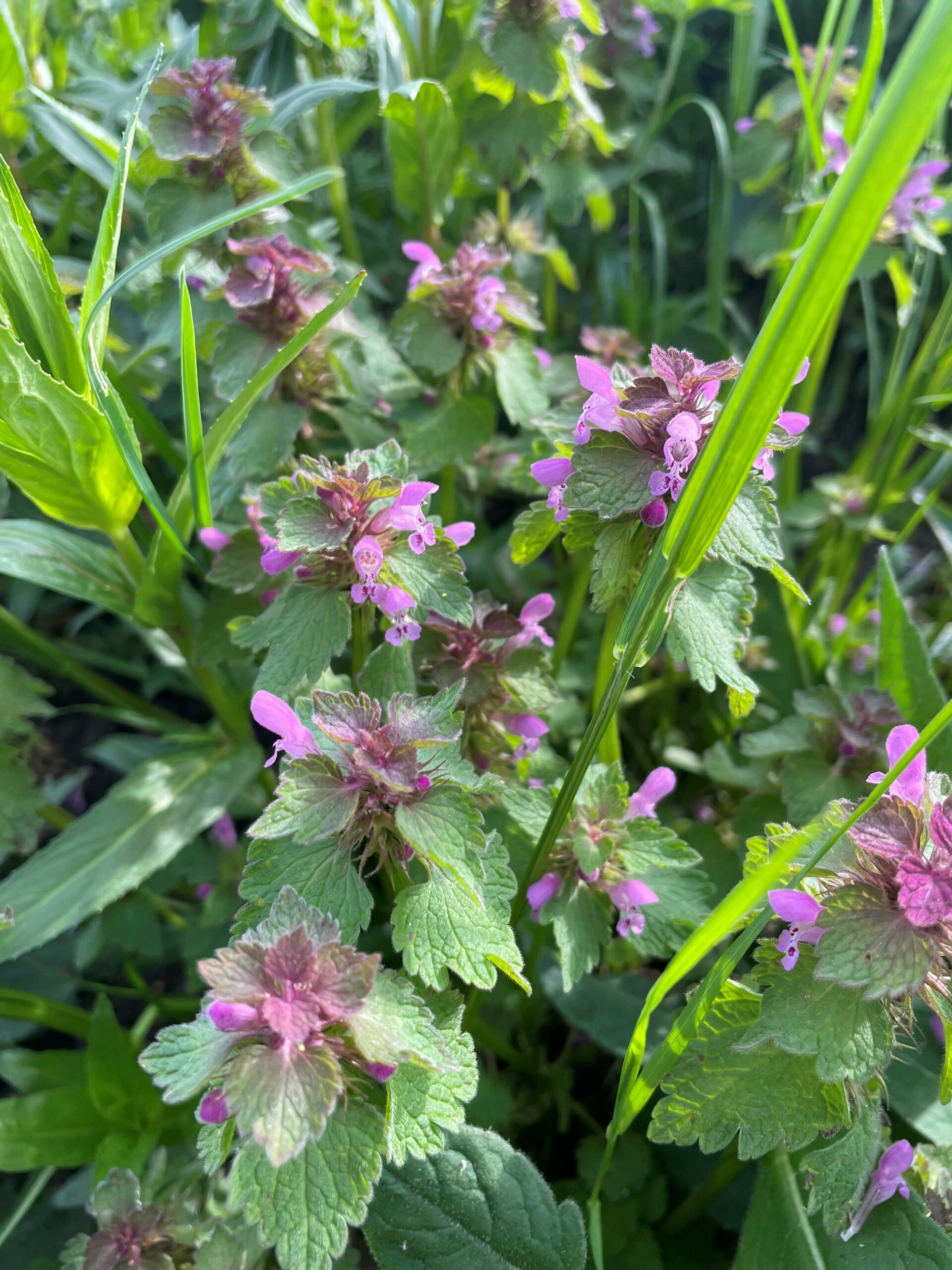
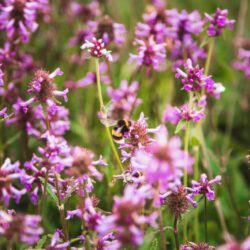
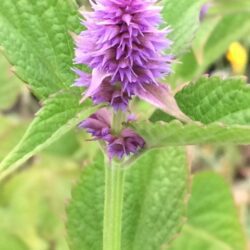
Red dead-nettle (Lamium purpureum) is a common British native wildflower found across farmland, gardens, and disturbed grounds. Other common names include purple dead-nettle, thanks to its distinctive pinky-purple flowers, which grow in dense whorls around the stem. Despite its resemblance to the stinging nettle, it does not sting. A member of the Lamiaceae, or mint family, this hardy annual thrives on arable land, roadside verges, and waste places.
Flowering from March to October, red dead-nettle is one of the most widespread wild dead-nettles across Britain and Ireland, and is often among the first plants to bloom in early spring. Its pinkish-purple, hooded flowers provide an important early source of nectar for pollinating insects, when few other plants are in flower.
How to Identify
Red dead-nettle is a low-growing plant, reaching up to 30cm tall. It has distinctive square stems and oval, blunt-toothed leaves that are softly downy.
The small zygomorphic (irregularly shaped) flowers form dense whorls around the upper stems. Their rich purple-red colour makes them easy to recognise, even from a distance. Though similar in appearance to stinging nettle, the leaves are completely harmless to touch.
How to Grow
Red dead-nettle grows easily in full sun or partial shade and tolerates most soil types, including light sandy soils. It establishes quickly on cultivated land or any recently disturbed ground.
Seeds can be sown directly outdoors, where they germinate readily and often act as useful natural ground cover. Once established, plants require little maintenance and will self-seed freely, making them ideal for wildlife-friendly gardens and wildflower meadows.