 My Account
 Basket


Description
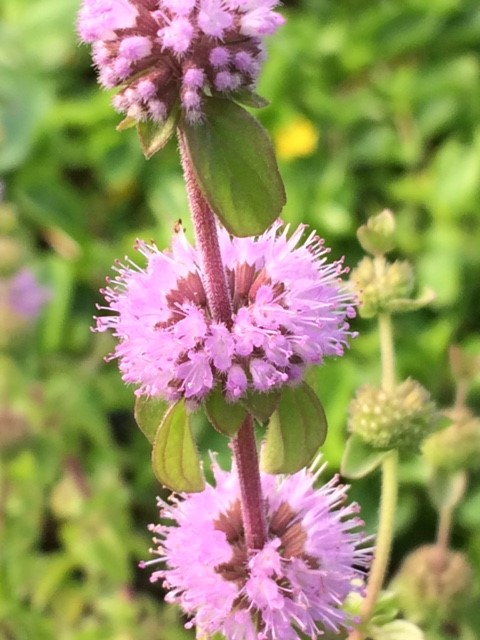
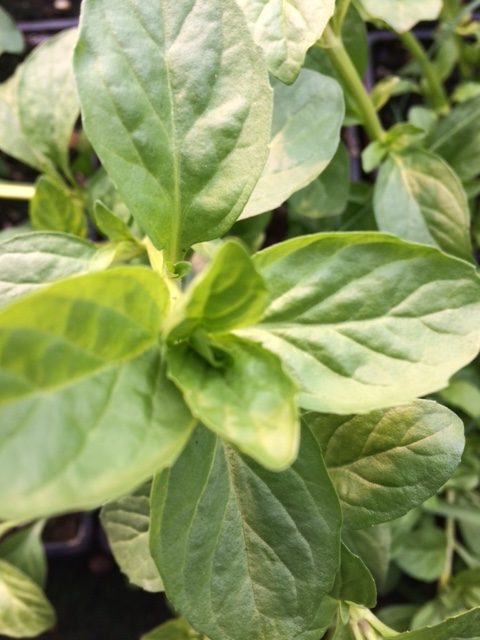
Commonly known as (European) pennyroyal, or pennyrile, also called squaw mint, mosquito plant and pudding grass, Crushed pennyroyal leaves emit a very strong fragrance similar to spearmint. Pennyroyal is a traditional folk remedy and culinary herb although it was commonly used for cooking also in the Middle Ages, it gradually fell out of use as a culinary herb and is seldom used as such today. Pennyroyal is frequently used as an insecticide and pest repellant. As a pest repellant, it is used to keep fleas away from household animals as well as on humans to ward off gnats and mosquitoes. Some flea collars for pets have pennyroyal oil or the herb crushed in the lining because it’s such a good insect repellent. Humans have also put crushed pennyroyal stems in their pockets or on their clothing to ward off unwanted insects.
Part of the mint family, the European Pennyroyal enjoys partial shade and can grow to around a foot tall in height. It’s flowering period is between July – September, producing gorgeous lilac flower colour in whorls in summer.