
Description
Pendulous sedge (Carex pendula) is a robust, evergreen perennial native to the UK, most commonly found along woodland edges, hedgerows, riverbanks, and other damp habitats. Also known as hanging, drooping, or weeping sedge, it is particularly well suited to bog gardens, pond margins, and heavy clay soils, where it forms large, architectural clumps.
Thriving in wet woodland conditions and near bodies of water, pendulous sedge adapts well to both loamy and heavy clay soils, making it a versatile garden plant. It is frequently associated with ancient woodland on clay-rich soils.
Its dense foliage provides valuable year-round shelter for insects and small animals, while the abundant seed heads offer a food source for birds. However, its tendency to self-seed freely means it can become vigorous if left unmanaged, spreading via a strong rhizomatous root system with seeds dispersed by wind and water.
How to Identify
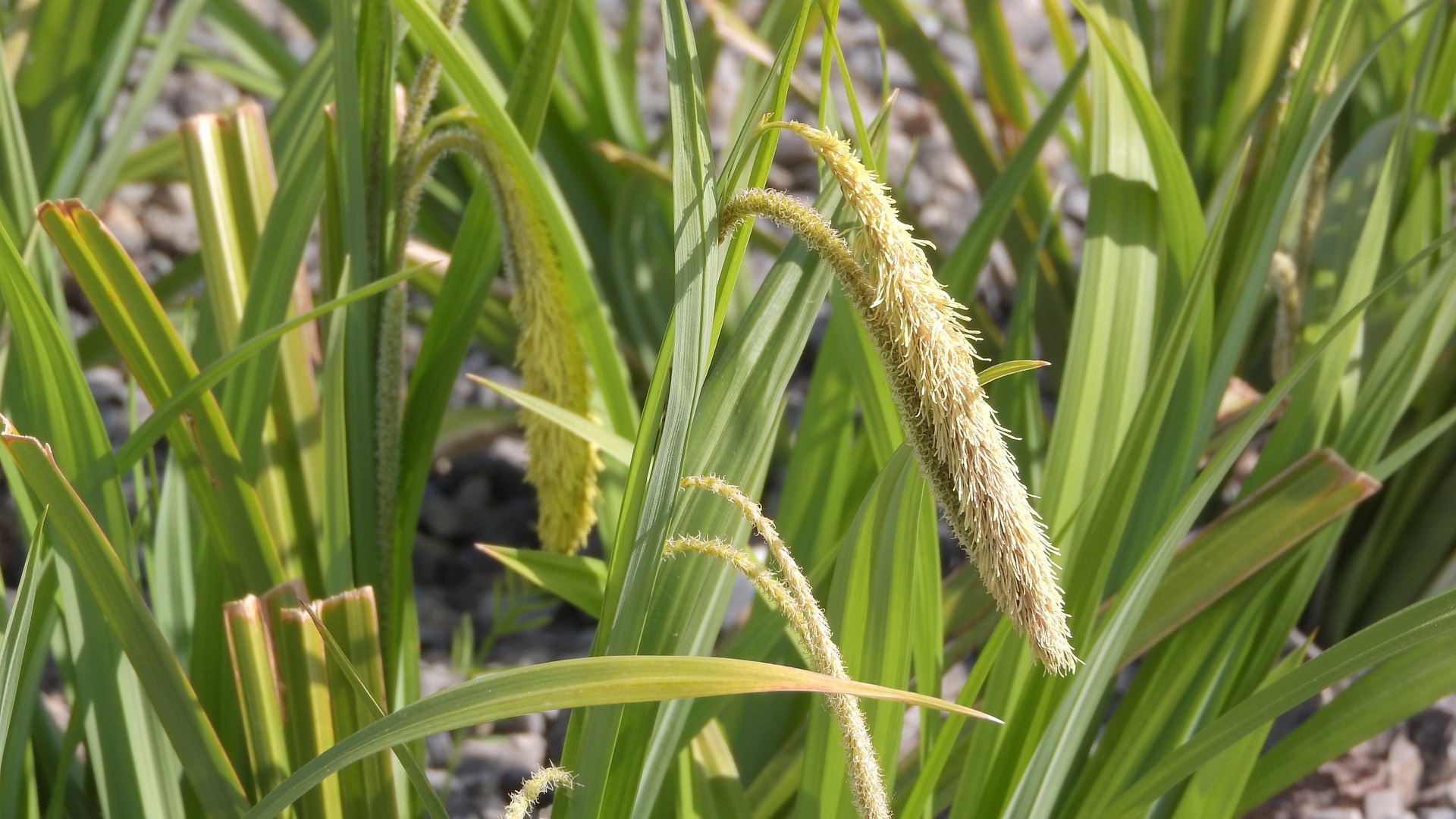
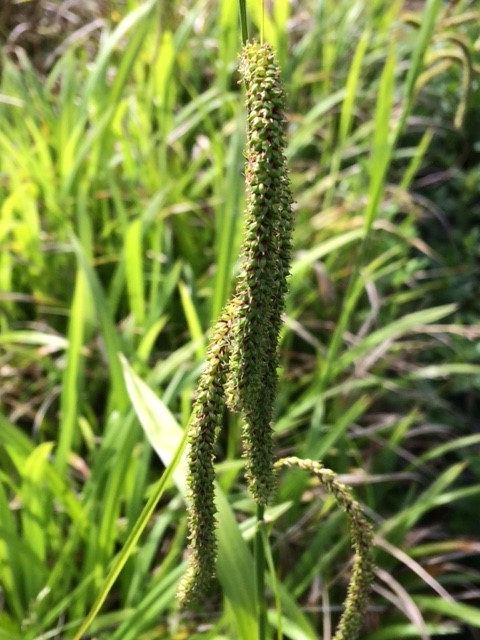
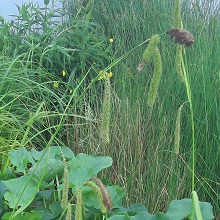
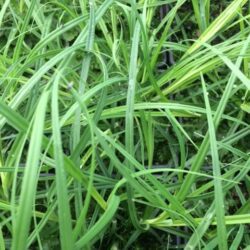
Pendulous sedge forms broad, tufted clumps of dark green, strap-like leaves with sharp edges and clear pleating, reaching up to 90cm in length. From late spring to early summer, tall, arching stems emerge above the foliage, bearing distinctive drooping, catkin-like spikes of yellow-brown flowers. These mature into heavy, pendulous seed heads in early summer, giving the plant its characteristic weeping appearance. The long flower spikes, which can reach up to 50cm, add to its dramatic and ornamental presence.
How to Grow
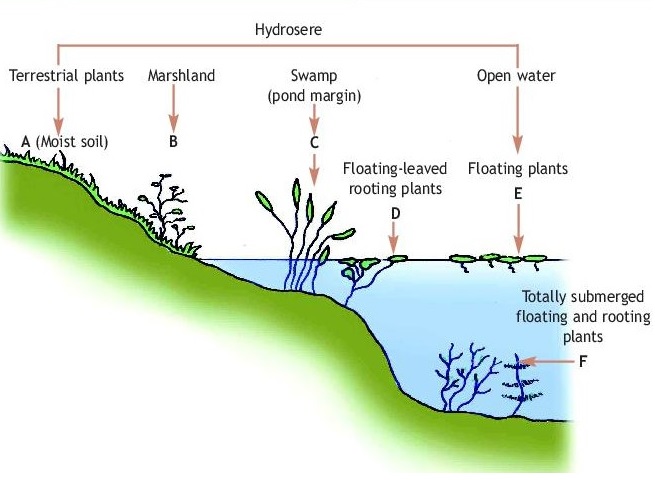
Pendulous sedge thrives in moist to wet soils and is ideal for bog gardens, damp borders, pond margins, or areas with heavy clay that remain consistently moist. Pendulous sedge performs best in partial shade and damp areas, but will tolerate full sun provided the soil does not dry out. Once established, it spreads readily by seed and rhizomes, so regular maintenance, thinning, or removal of unwanted seedlings may be required to keep growth under control.