
Oxeye Daisy

9cm Pot, Seed Packet, Seeds (per gram), Wildflower Plugs

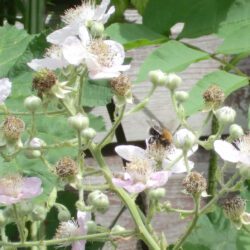
Leucanthemum vulgare  A well known wild flower with lovely, large, white daisy flowers. Also known as the Dog Daisy or Moon Daisy. Often seen in meadows and on roadsides.

Step 1: Select Product Option
Step 2: Enter Quantity
Total: £ 0.00 inc. VAT

Latin Name: Leucanthemum vulgare

Common Name(s): Oxeye Daisy, Dog Daisy, Moon Daisy

Plant Type: Perennial, Herbaceous

Friendly For: Bees, Butterflies, RHS Plants For Pollinators

Habitat: All Soils, Damp Meadow, Part Shade, Sun, Well Drained

Colour:

White, Yellow

Height:

30-60cm

Flowering Time:

June - August

SKU: NS-MAIN-2628 Categories: , , , ,

Description

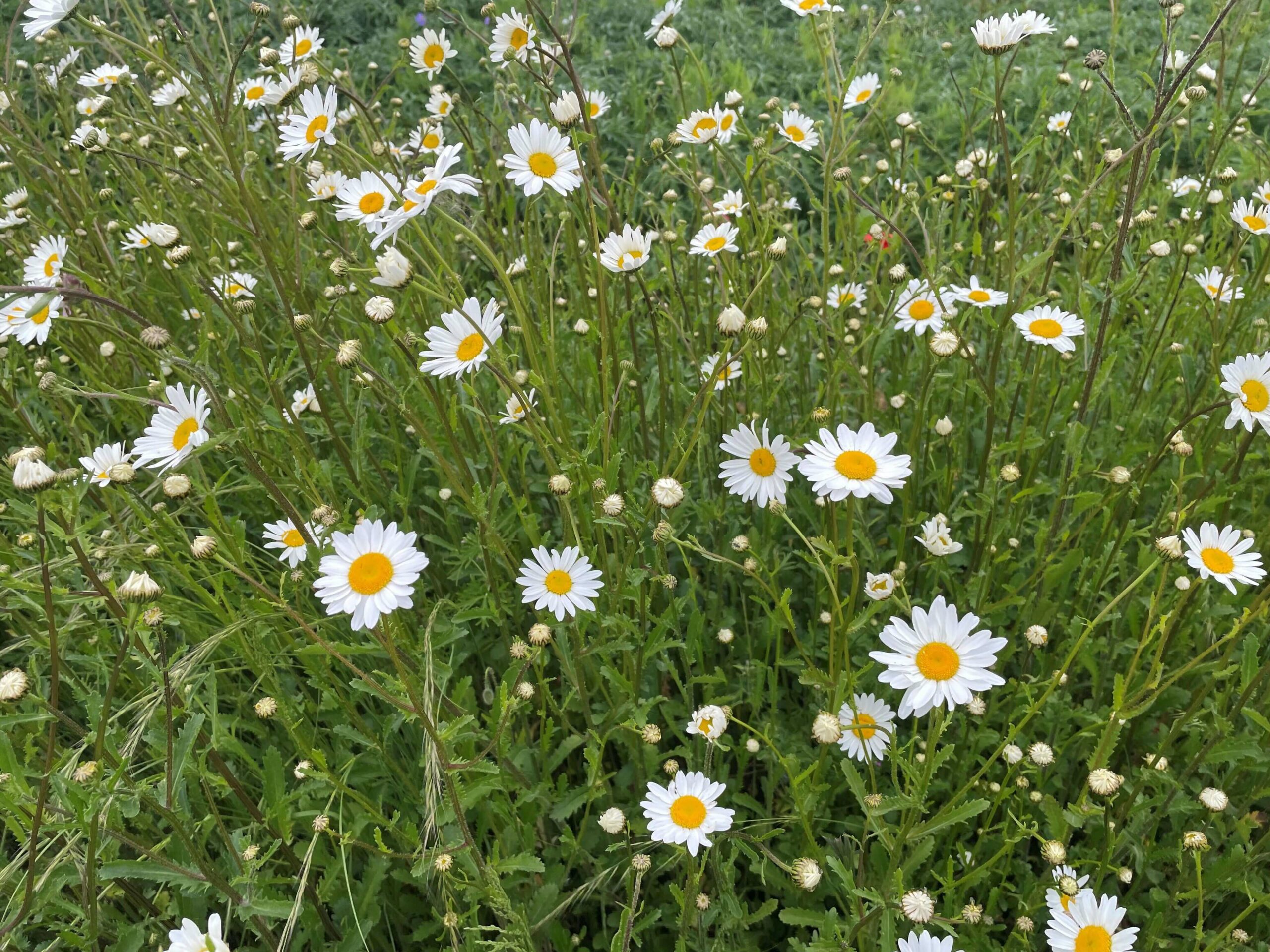
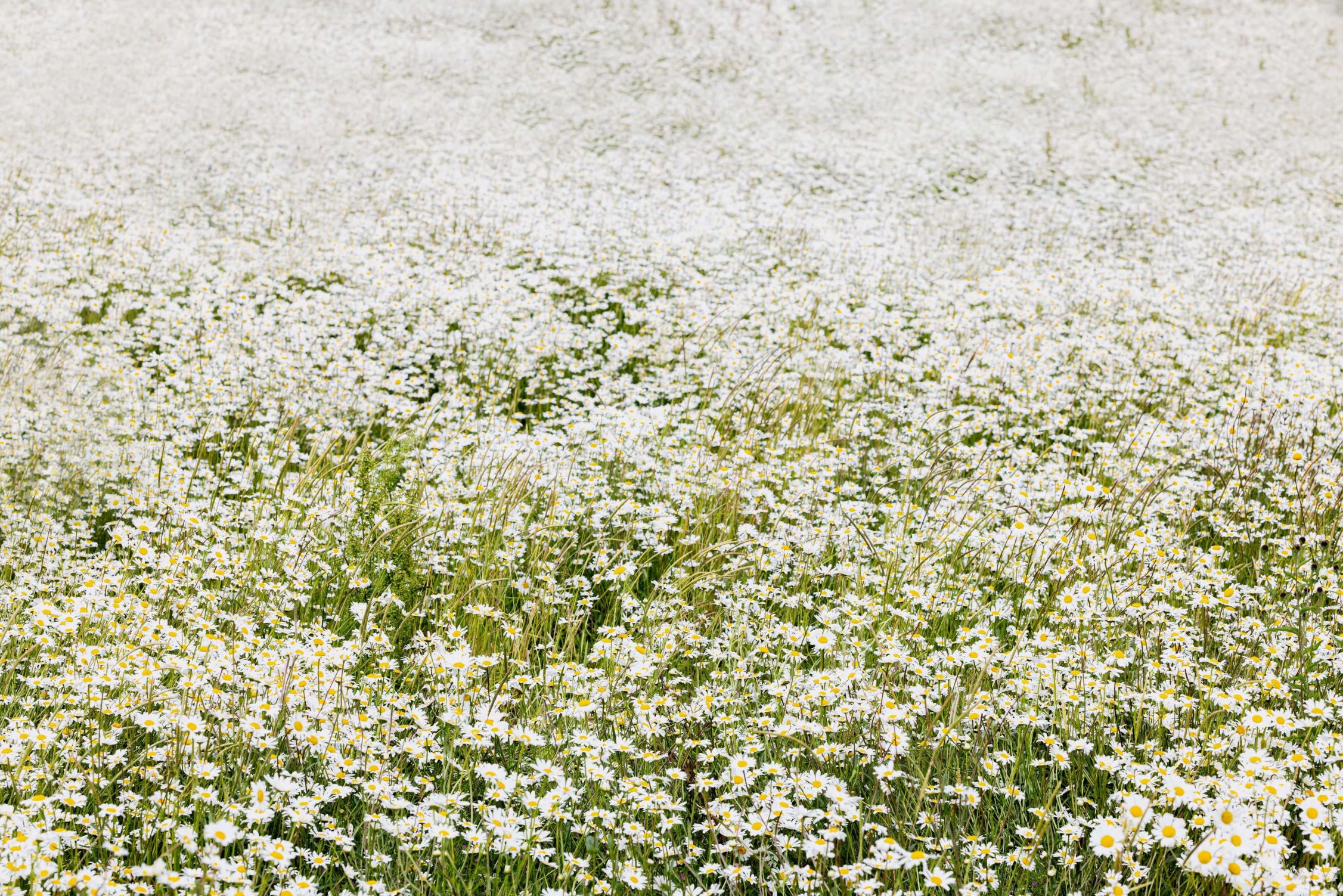
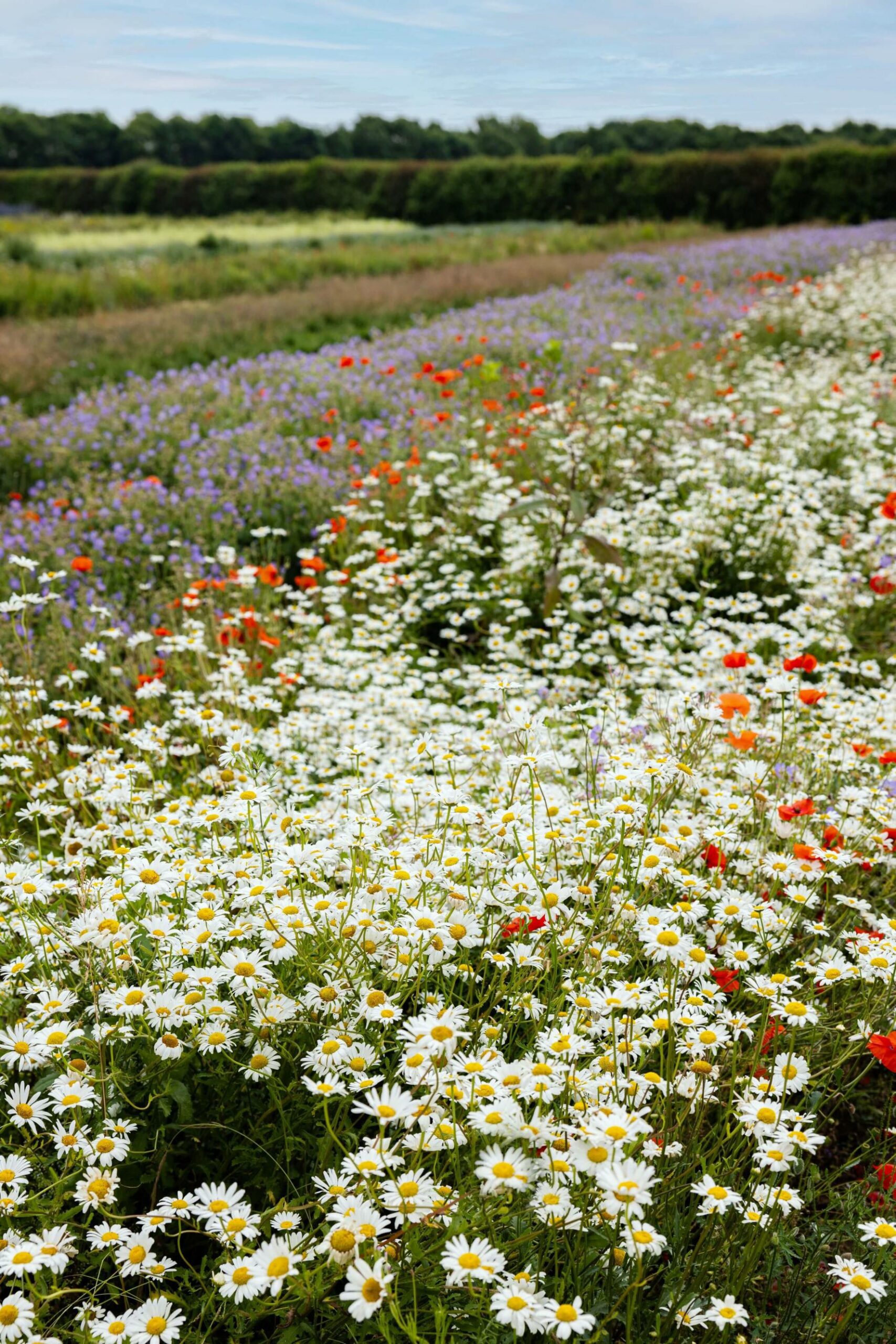
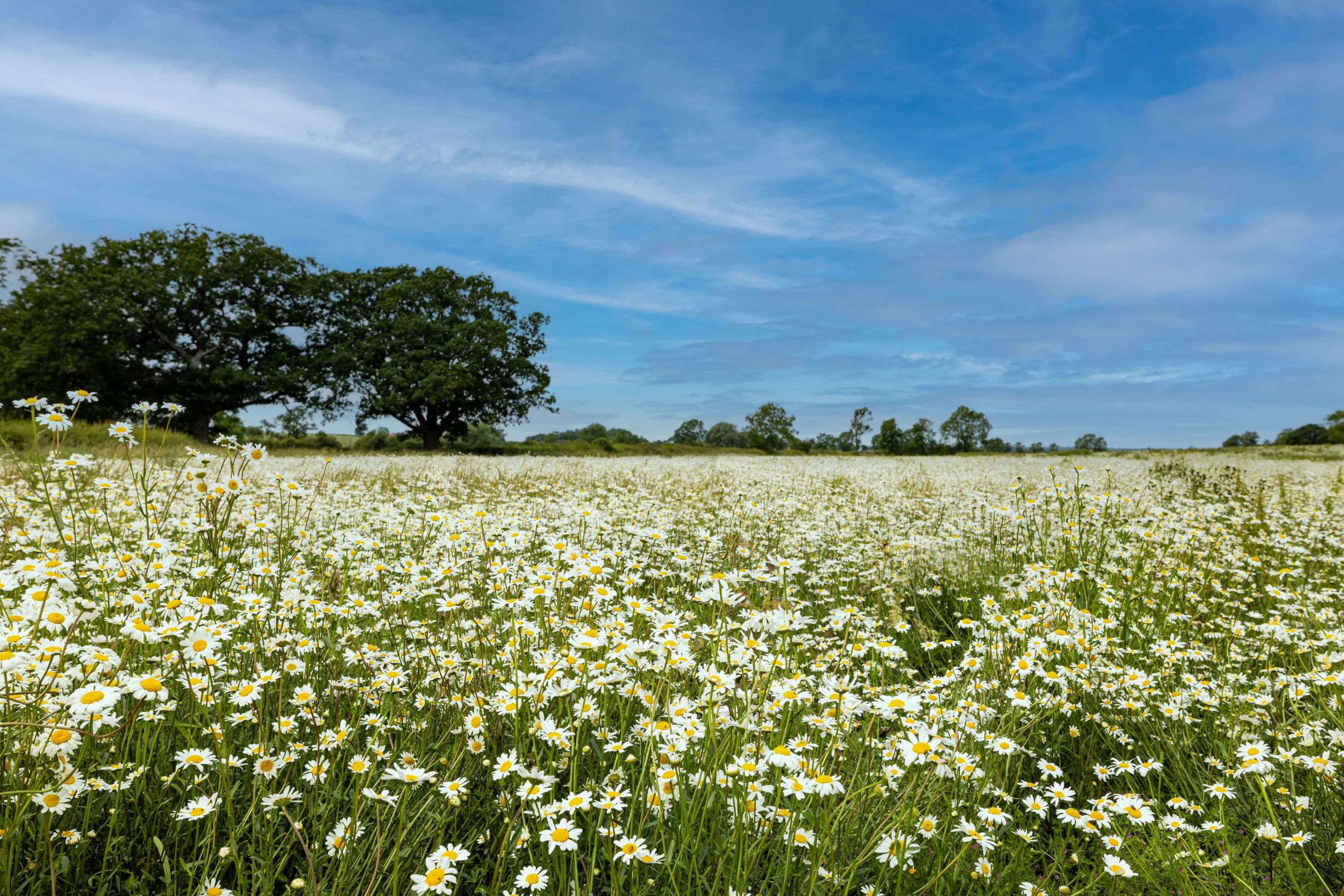
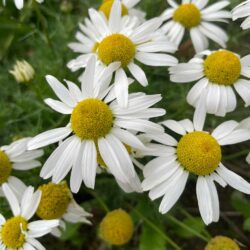
​​The oxeye daisy (Leucanthemum vulgare) is one of the UK’s most familiar and well-loved native wildflowers. Recognisable for its large, white daisy-like flowers and bright yellow centres, it is a classic sight of summer. Oxeye daisies can often be seen growing in swathes along roadsides, field margins, and in traditional hay meadows.

This hardy perennial thrives in a wide range of habitats, including grassland, farmland, coastal areas, and towns and gardens. Its long flowering season, typically from June to September, makes it an important and reliable source of nectar for bees, butterflies, and other pollinating insects.

Sometimes known as the “moon daisy” or “moonpenny,” the oxeye daisy earned these names because its pale blooms appear to glow at dusk, lighting up meadows on warm summer evenings.

How to Identify

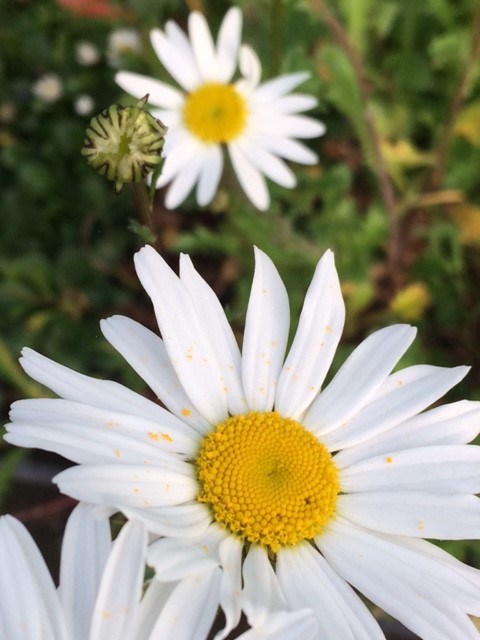
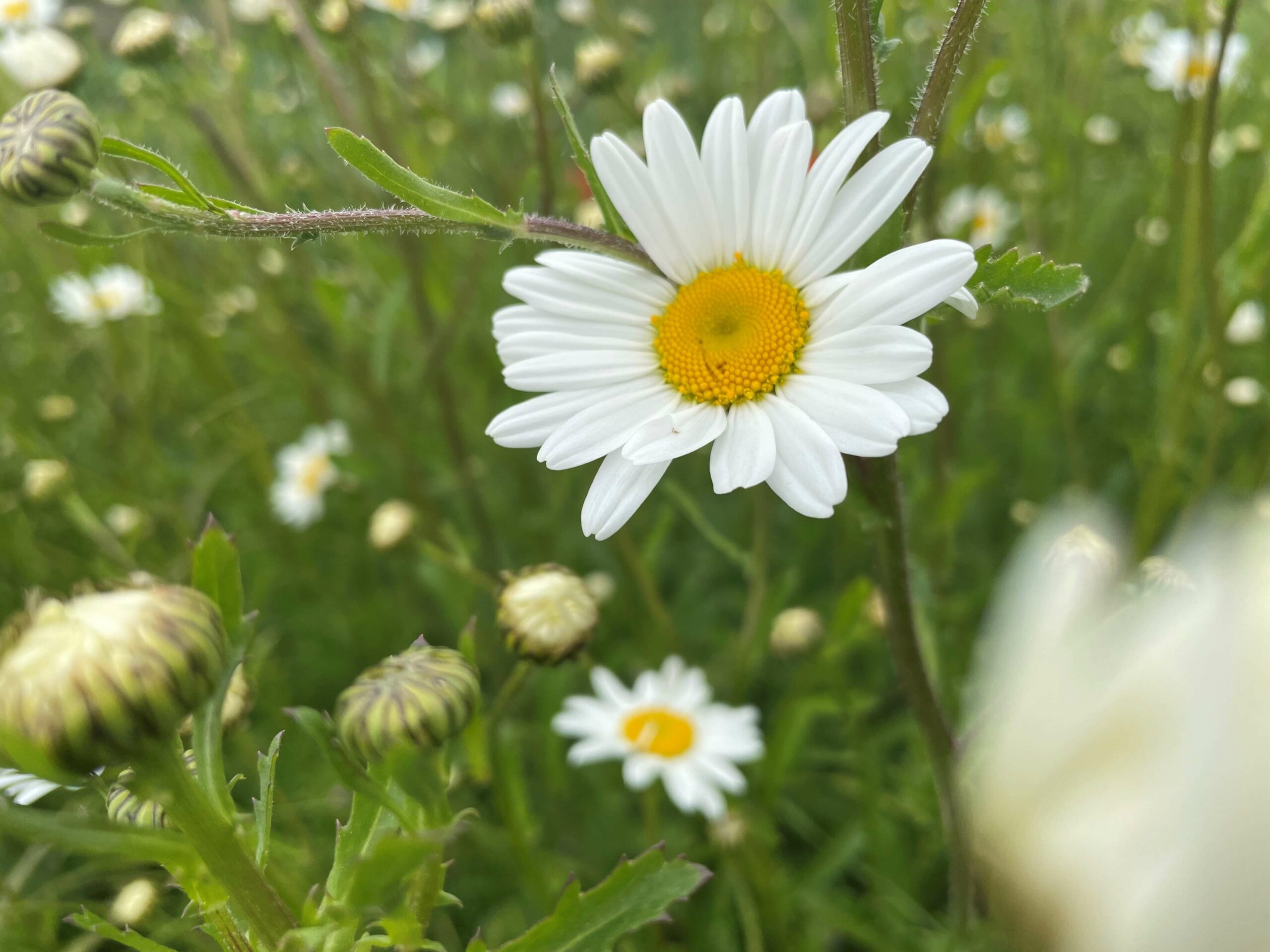
The oxeye daisy is easy to spot thanks to its bold, open flower heads. Each bloom is made up of bright white ray florets surrounding a golden centre of tiny disc florets. These flowers are carried on tall, upright stems and can reach heights of up to 60cm.

At the base of the plant, the leaves are spoon-shaped, while those along the stem are thinner and more jagged. The fresh green foliage provides an attractive backdrop to the long-lasting summer flowers.

Widespread across the UK, Leucanthemum vulgare is most frequently found across grasslands, roadside verges, waste grounds, and wildflower meadows, where it can form striking natural displays.

Did you know? – The traditional petal-plucking game “He loves me, he loves me not” is thought to have originated with the ox-eye daisy. Although we call them petals, each one is actually an individual flower within a composite flower head.

How to Grow

The oxeye daisy is a tough and adaptable plant that is very easy to grow. It performs best in full sun, but will also tolerate partial shade in suitable conditions.

Plant in moist but well-drained soil for the best results. Although it can cope with poorer ground, it dislikes very rich soils, which can encourage leaf growth instead of flowers.

Seeds can be sown directly into prepared ground or started in seed trays before planting out. Once established, plants require very little maintenance and will often self seed, creating natural drifts over time.

Perfect for wildflower meadows, borders, and wildlife-friendly gardens, the oxeye daisy is a dependable and beautiful perennial that brings classic summer charm to any outdoor space.

Additional information

Option

, , ,

Plant Type

,

Colour

,

Habitat

, , , ,

Country of Origin

GB

Friendly For

, ,

You may also like…