 My Account
 Basket



Description
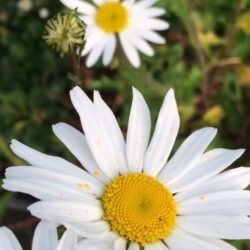
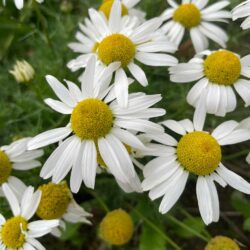
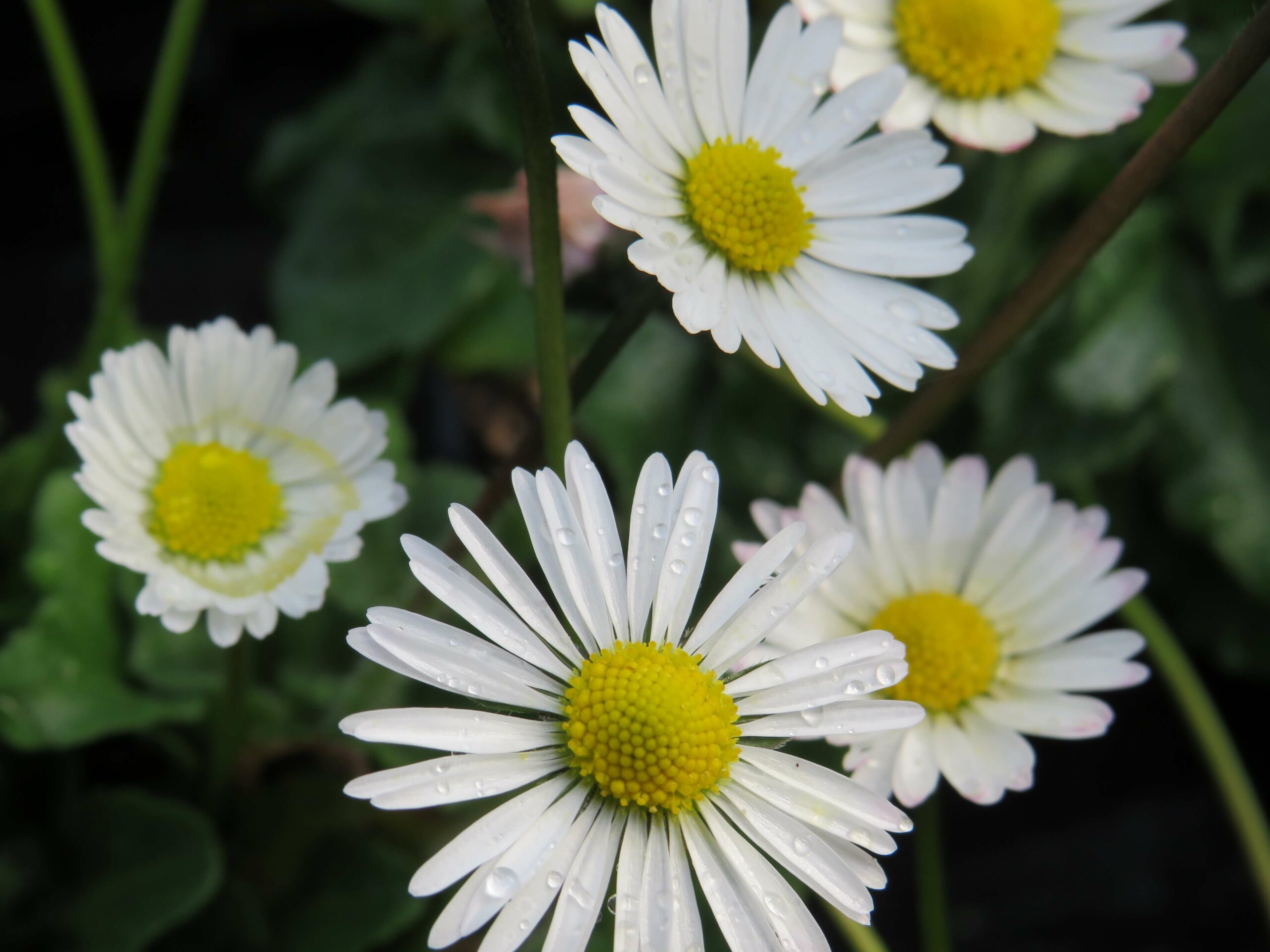
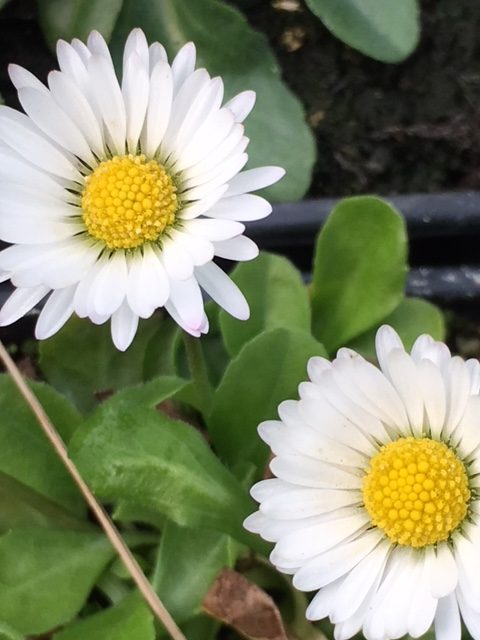
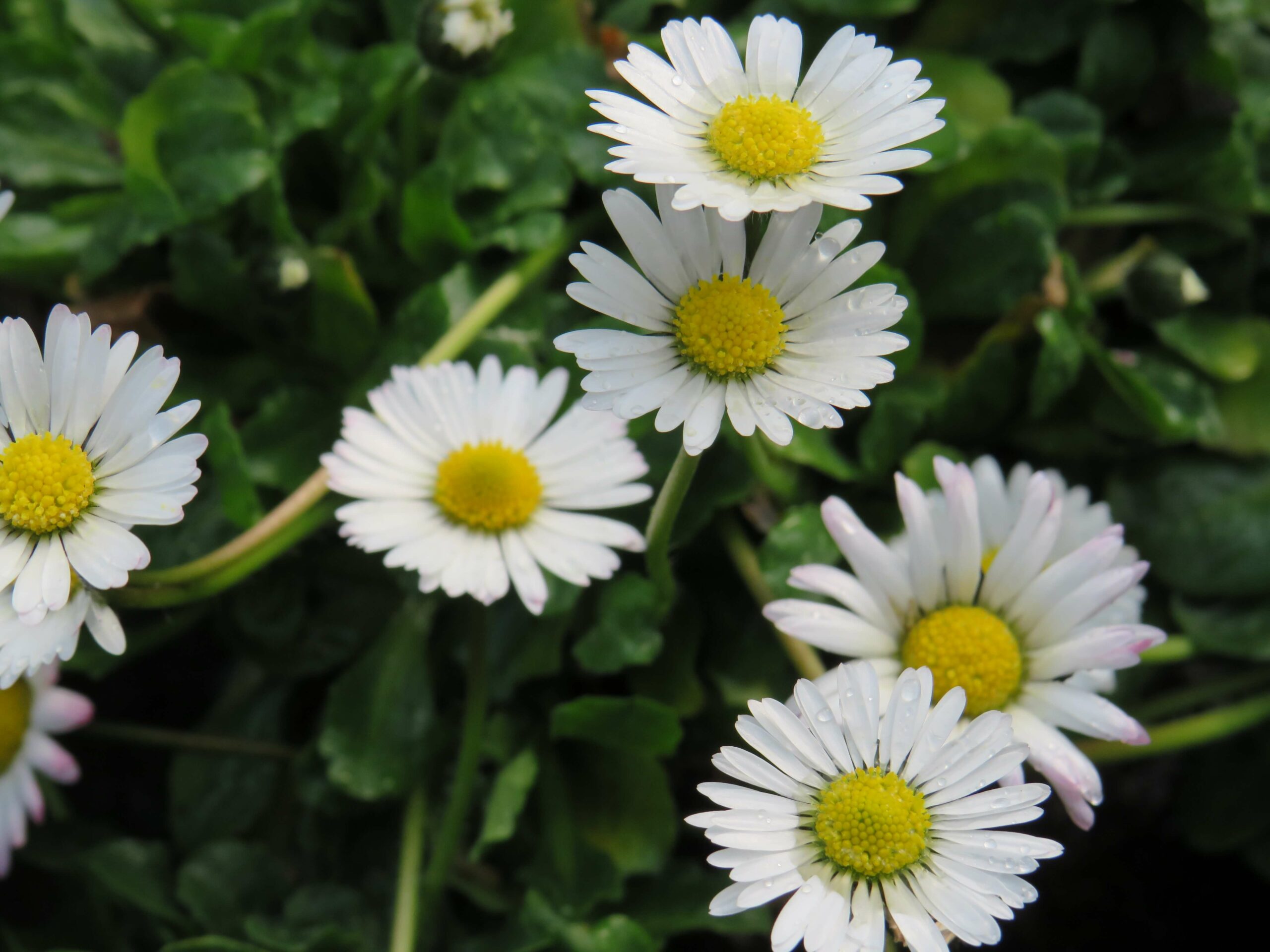
Bellis Perennis is a popular variety sometimes qualified as common daisy, lawn daisy or English daisy. Historically, Bellis Perennis has also been commonly known as bruisewort.
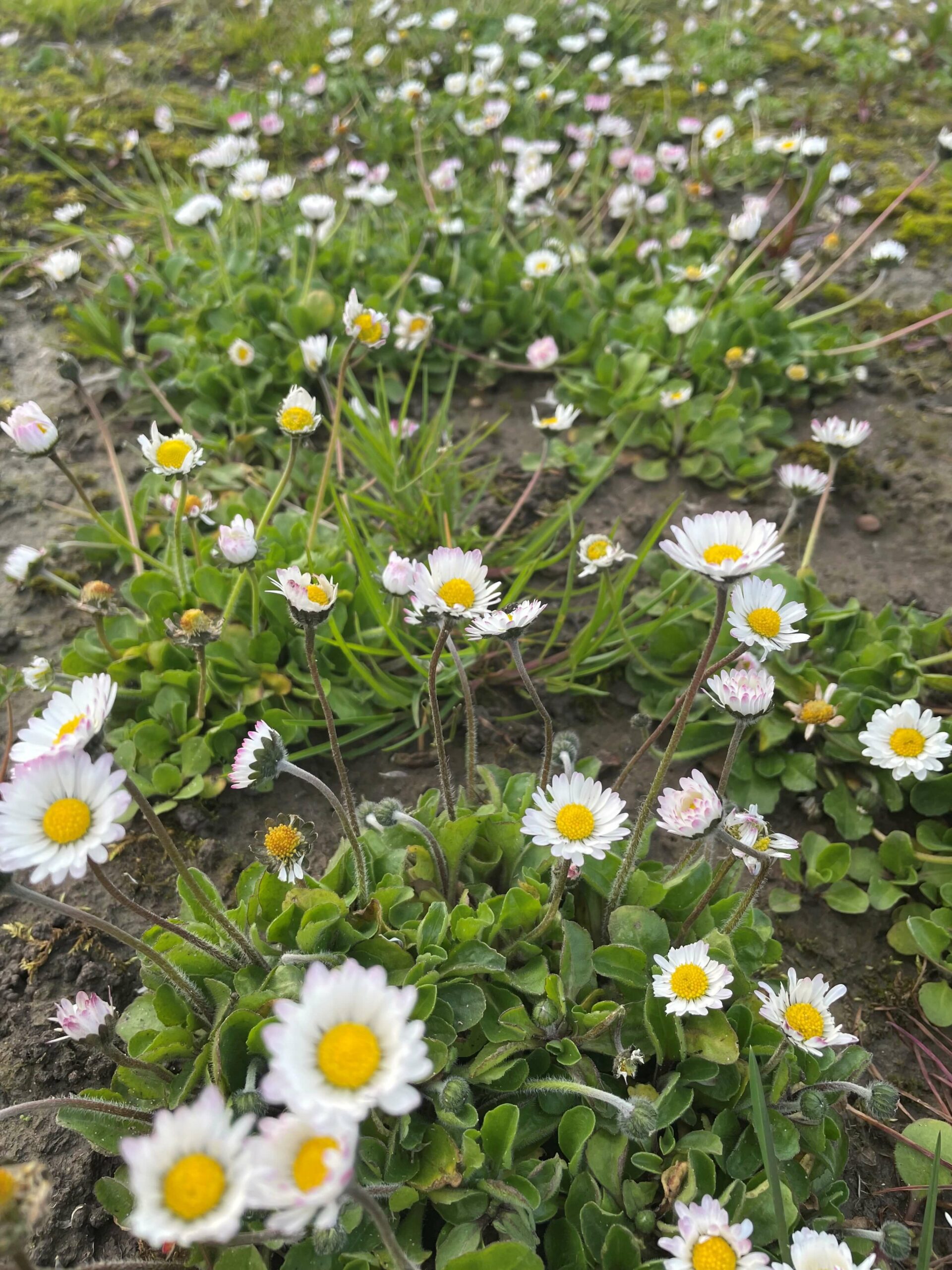
The species habitually colonises lawns, and is difficult to eradicate by mowing‚ hence the term lawn daisy. English daisies may be used as a potherb. Young leaves can be eaten raw in salads, or cooked, noting that the leaves become increasingly astringent with age. Flower buds and petals can be eaten raw in sandwiches, soups and salads as it is a herbaceous plant. It is also used as a tea and as a vitamin supplement.
With a super long flowering period producing white petals with yellow centers on flower heads from February, right through the summer heat to October! Preferring well-draining soils, daisies often grow in disturbed habitats such as patchy lawns.