 My Account


Description
Species Information
Nottingham Catchfly (Silene nutans) is a native British perennial wildflower. It’s also the county flower of Nottinghamshire. The plant is named after its former growth on the walls of Nottingham Castle.
Nottingham Catchfly produces nodding, white or pinkish flowers from May to August. Its fragrant flowers open in the evening and attract night-flying moths and other nocturnal pollinators. The plant grows up to 50cm tall, with slender flowering stems and narrow green leaves.
In the wild, it grows in dry grassland, including coastal areas and chalk downlands. However, habitat loss has affected some populations, so growing native wildflowers can help to support local wildlife.
How to Identify
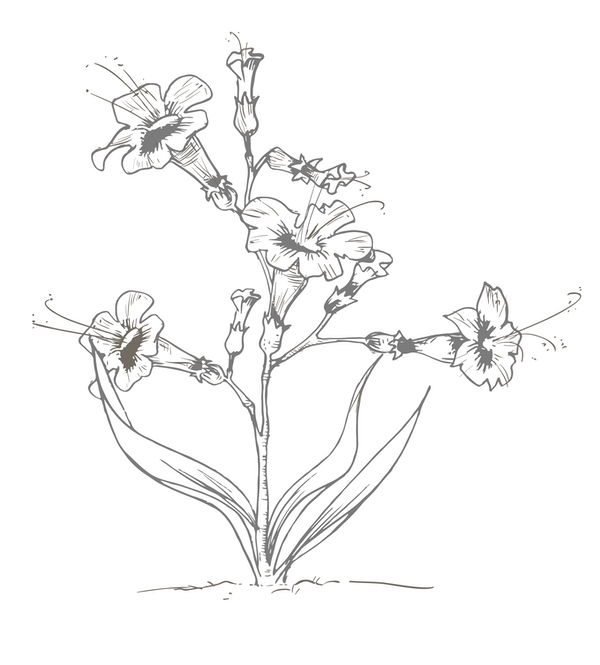
Nottingham Catchfly has slender stems and narrow green leaves. Its flowers hang down from the tips of the stems. Each flower has five pale petals and a green calyx with purple stripes.
The flowers are usually white or pale pink. They also have a sweet scent, which is strongest in the evening. As a result, they attract moths and other night-flying insects. Its main flowering season runs from May to August.
How to Grow
Nottingham Catchfly grows best in full sun and well-drained soil. It prefers neutral to alkaline conditions and grows well in chalky, sandy, or loamy soil. However, it doesn’t thrive in ground that stays wet throughout winter.
Sow seeds in spring or early autumn. First, prepare a seed bed in a sunny, open spot, and scatter the seeds over the soil. Keep the area moist while the seedlings establish, and remove weeds as needed. You can also sow seeds in trays. Once the seedlings are large enough to handle, transplant them to their final position.
Nottingham catchfly suits wildflower meadows, sunny borders, and cottage gardens. Its night-scented flowers provide food for nocturnal pollinators. For this reason, it is a useful choice for wildlife-friendly planting.