 My Account


Description
Species Information
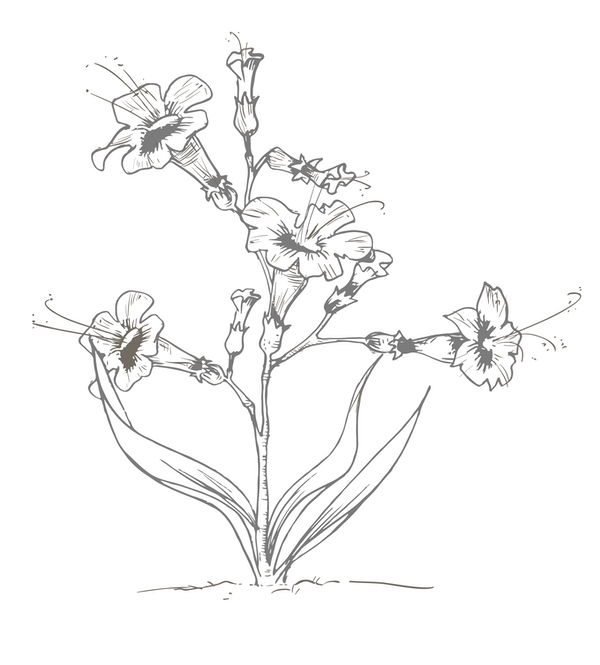
Nettle-leaved Bellflower (Campanula trachelium) is a tall, native British wildflower. It grows naturally in broad-leaved woodlands, hedgerows, and shady grassland. You may also spot it along roadside verges.
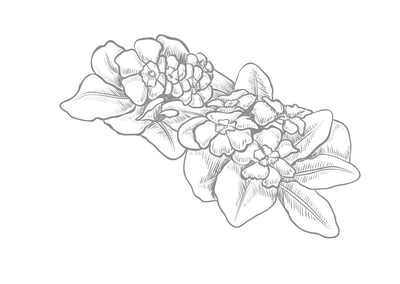
From July to September, it produces clusters of large, lavender-blue, bell-shaped flowers. These grow on upright stems above clumps of rough, nettle-like leaves. The flowers provide nectar for bees and other pollinating insects.
This perennial adds height and colour to woodland gardens, shaded borders, and natural planting schemes. It’s also known as Throatwort and Coventry Bells.
How to Identify
Nettle-leaved Bellflower has broad, nettle-like leaves with deeply toothed edges. The lower leaves often have a heart-shaped base, while the upper leaves grow smaller along the stems.
Its upright stems carry clusters of nodding, bell-shaped flowers. Each flower has five pointed lobes that spread out at the edges. After flowering, the plant develops nodding seed capsules.
Plants can grow up to 100 cm tall, making them a noticeable feature among lower-growing native wildflowers.
How to Grow
Nettle-leaved Bellflower grows best in partial shade and moist, well-drained soil. It prefers humus-rich ground but can also tolerate drier conditions once established.
Plant it along woodland edges, beneath hedgerows, or in shaded borders. It also suits natural planting schemes, habitat restoration, and conservation projects.
Once established, this hardy perennial needs little maintenance. Cut back the flower stems after flowering to tidy the plant and encourage fresh growth.
💡 Did You Know?
Nettle-leaved Bellflower is also known as Throatwort. Its botanical name, trachelium, refers to the throat. This name comes from an old belief that the plant could help treat sore throats. People once used it in traditional folk medicine, although this isn’t a proven medical treatment.