
Home | Shop | Wildflowers | Lawn Rewilding | Meadow Buttercup

Meadow Buttercup

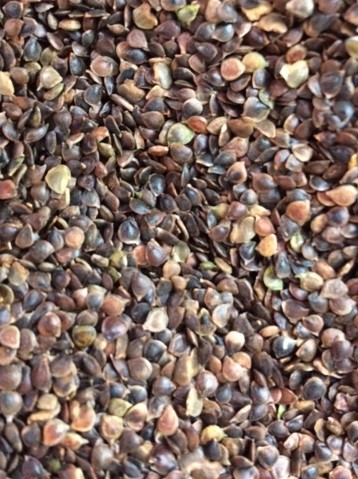
9cm Pot, Seed Packet, Seeds (per gram), Superplugs, Wildflower Plugs

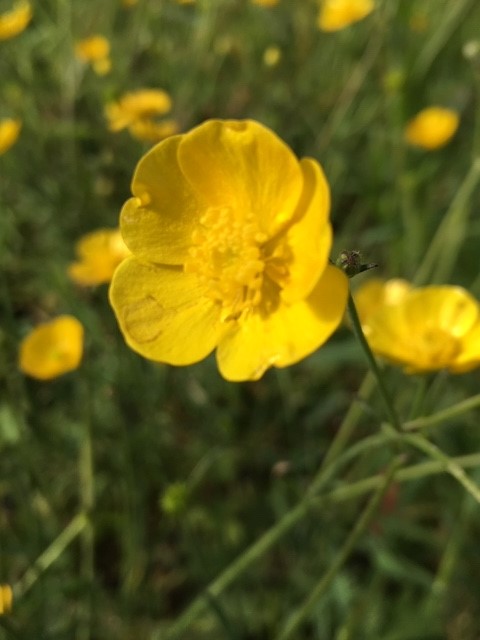
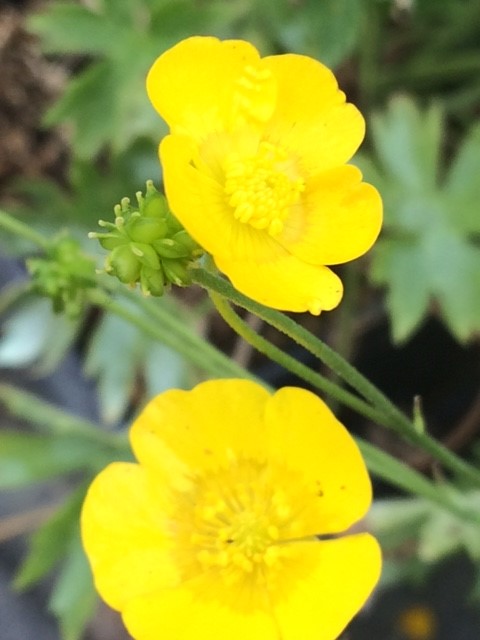
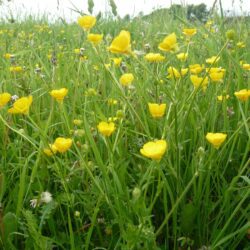
Ranunculus acris, The tallest and most graceful of all the butter-cups. Glossy yellow flowers, superb growing in association with Ragged Robin.

Step 1: Select Product Option
Step 2: Enter Quantity
Total: £ 0.00 inc. VAT

Latin Name: Ranunculus acris

Common Name(s): Meadow Buttercup, Common Buttercup, Tall Buttercup, Giant Buttercup

Plant Type: Perennial, Herbaceous

Friendly For: Bees, RHS Plants For Pollinators

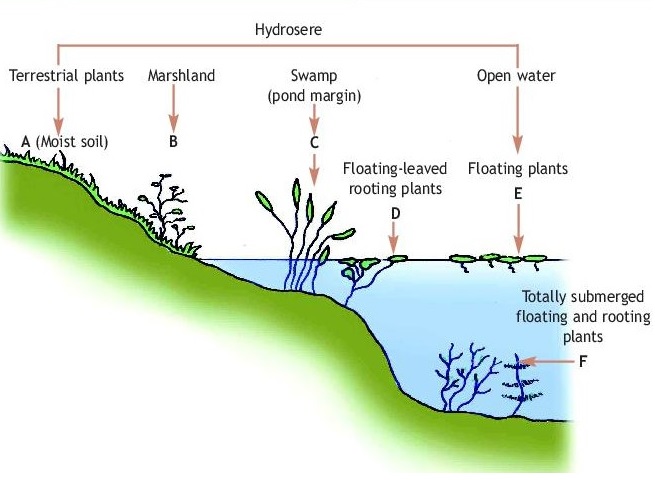
Habitat: All Soils, Marshland - Zone B, Moist Soil/Terrestrial Plant - Zone A, Part Shade, Pond Margin - Zone C, Sun

Colour:

Yellow

Height:

30-90cm

Flowering Time:

May - July

SKU: NS-MAIN-2521 Categories: , , , , , ,

Description

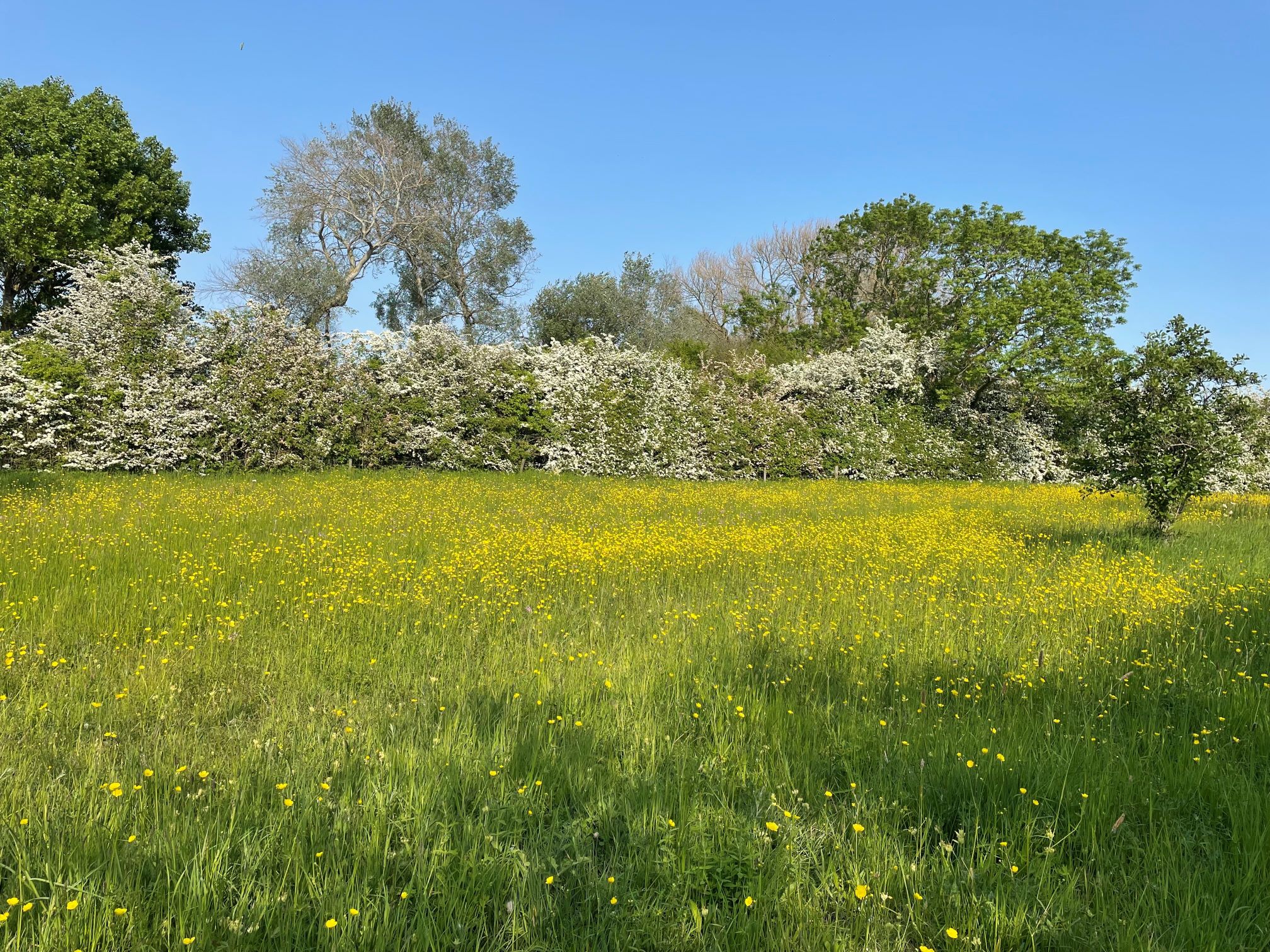
Meadow buttercup (Ranunculus acris) is a tall buttercup and herbaceous perennial plant with glossy yellow flowers that brighten wildflower meadows, pastures, parks, and gardens across the UK. Also known by common names such as tall buttercup and giant buttercup, it is a familiar species within grassland communities and wildflower meadows.

The buttery-yellow flowers appear from late spring into summer and are an important source of nectar and pollen for pollinating insects, such as bumblebees. Meadow buttercup has long been featured in folklore, including the well-known playground game of holding a buttercup flower under the chin to see if it reflects yellow light.

How to identify

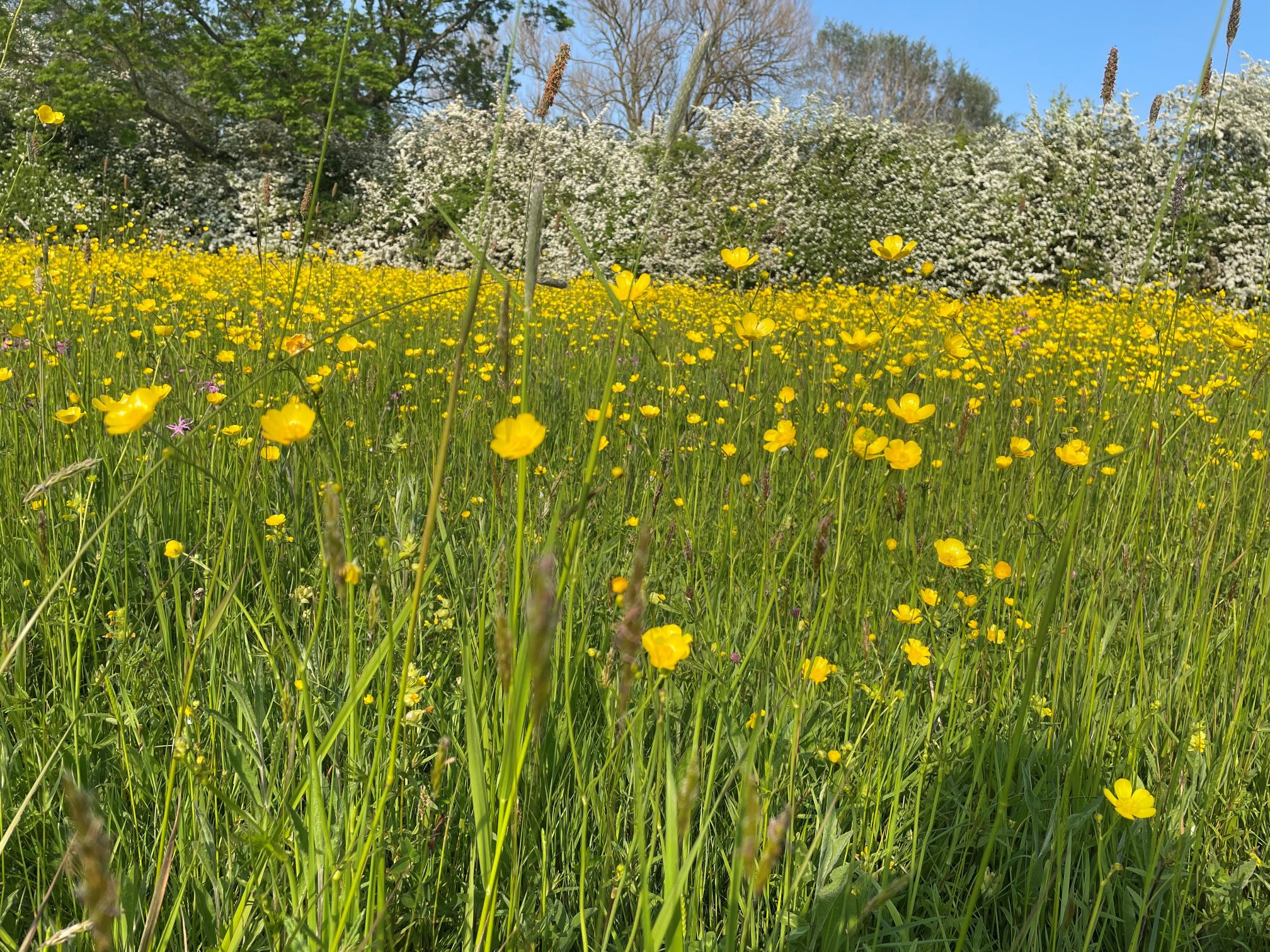
Ranunculus acris has upright, erect stems and large, glossy yellow buttercup flowers held above deeply divided green leaves. The flowers are typically found in open meadow flower displays rather than forming dense mats.

It grows taller than similar species such as Bulbous buttercup (Ranunculus bulbosus) and Creeping buttercup (Ranunculus repens), and unlike creeping buttercup, it does not spread by runners.

How to grow

Meadow buttercup grows best in full sun or partial shade and is well-suited to wildflower meadow planting and naturalistic grassland. It prefers moist but well-drained soil and will tolerate a range of soil types, including neutral and slightly calcareous soils. Once established, it is a low-maintenance perennial that returns reliably each year and supports biodiversity in meadow and wildlife garden settings.

Additional information

Option

, , , ,

Colour

Habitat

, , , , ,

Plant Type

,

Friendly For

,

You may also like…