
Description
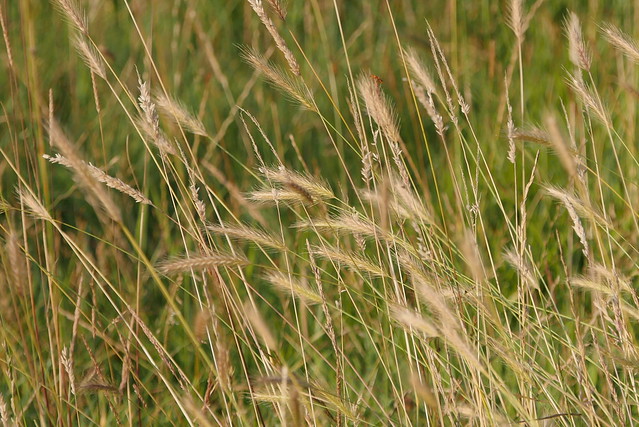
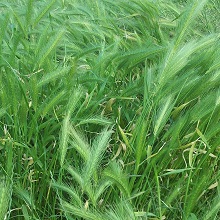
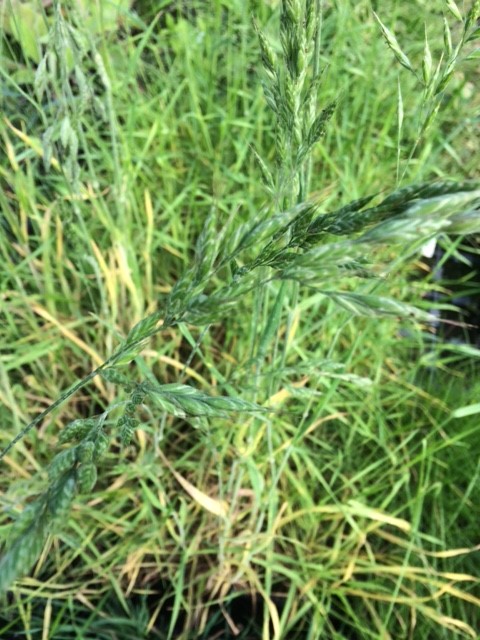
Meadow barley (Hordeum secalinum) is a perennial grass that is easily recognised by its dense, cylindrical flower heads with long bristles, closely resembling cultivated barley, to which it is related. It is a characteristic species of traditional, unimproved grassland and is valued for adding structure and diversity rather than productivity.
How to Identify
Meadow barley is typically found in old meadows, pastures, and roadsides, with a strong preference for sticky clay soils. It is most frequent in lowland river valley floodplains and coastal grazing marsh grasslands, where soils remain damp for much of the year. The flowering heads are compact and bristly, standing upright above the foliage and giving the plant a distinctive barley-like appearance during flowering.
How to Grow
Meadow barley seed can be sown when soil conditions are suitable, particularly in moist, fertile clay soils in full sun. It normally forms only a small component of grassland communities and is therefore best included in seed mixtures at low rates to increase botanical diversity rather than dominance.
Although meadow barley can be grazed and cut for hay, it is not a highly productive forage grass and contributes limited yield in agricultural systems. Its main value lies in conservation planting, restoration ecology, and species-rich meadow creation, where it provides structure and interest within damp grassland and marsh meadow habitats.