 My Account
 Basket



Description
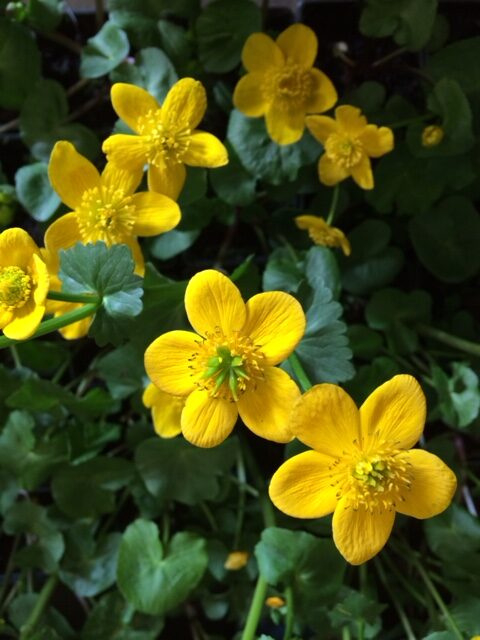
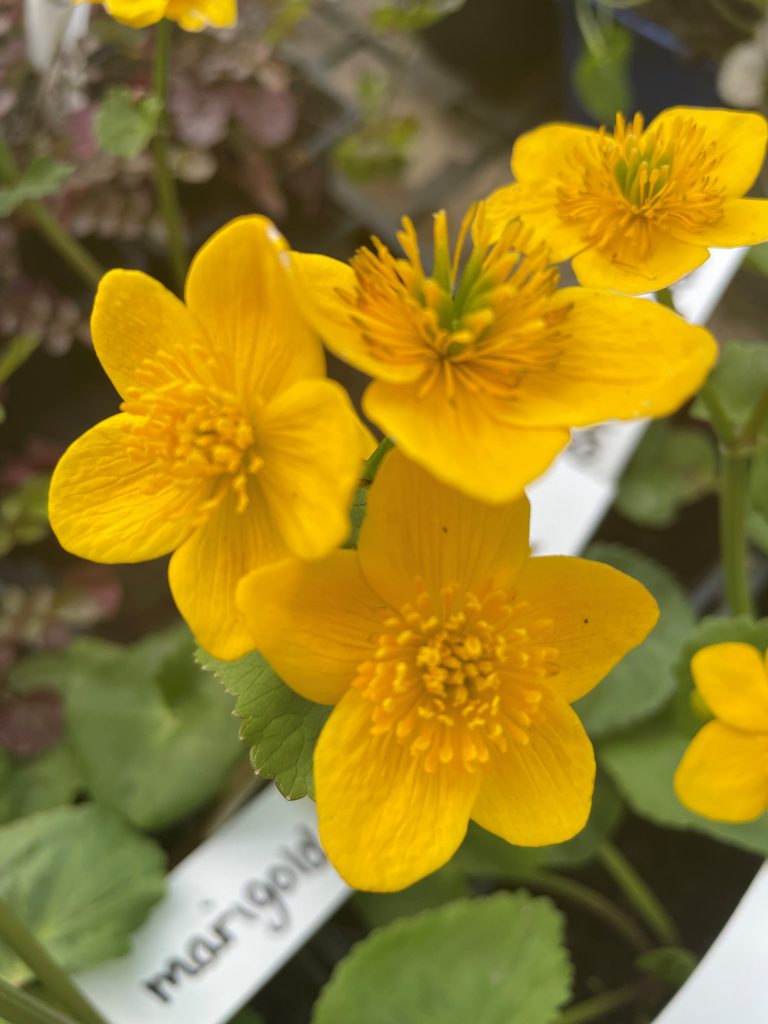
Caltha palustris, known as marsh-marigold and kingcup. native to marshes, fens, ditches and wet woodland. Flowers produce both nectar and copious amounts of pollen which attract many insect visitors. Early spring greens and buds of Caltha palustris are edible when cooked. Young leaves or buds should be submerged a few times in fresh boiling water until barely tender, cut into bite-sized pieces, lightly salted, and served with melted butter and vinegar. Very young flowerbuds have been prepared like capers and used as a spice. A yellow dye from the flowers can be obtained.
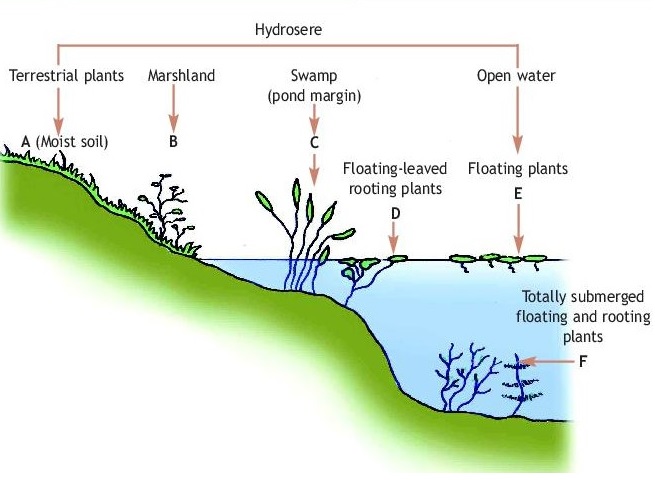
Marsh Marigold are marginal plants or pond plants that can bloom for almost half the year from March to late summer. A Herbaceous plant that likes wet mucky soil, under these conditions stems of marsh plants can grow up to 45cm.