 My Account
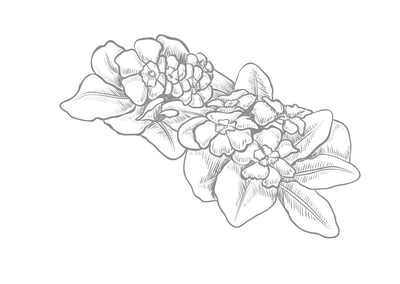


Description
Species Information
Also known as Pilewort, Lesser Celandine (Ficaria verna) is a low-growing native British perennial wildflower. Appearing in early spring, it brings bright yellow flowers to damp woodland, hedgerows, and stream banks.
Its glossy green leaves and early blooms make it a useful plant for pollinators, providing a reliable source of pollen. It’s also known by its old scientific name, Ranunculus ficaria.
How to Identify
Lesser Celandine is a low-growing plant, rarely growing taller than 5cm. It forms low patches of heart-shaped, glossy green leaves on long leaf stalks. The leaves have dark markings, which help distinguish individual plants.
From March to May, it produces bright yellow, star-shaped flowers. The flowers open in sunlight and close in dull conditions. Beneath the soil, the plant develops small root tubers and fine white roots, allowing it to return the following spring.
How to Grow
Plant Lesser Celandine in moist, well-drained soil in partial shade. Keep the soil moist where possible during summer to support tuber development for the following year.
Plant tubers around 4-5 cm deep and avoid disturbing the soil once established. Lesser Celandine spreads readily in suitable conditions, so choose its position carefully. It can form a welcome carpet of spring colour in wildlife gardens.
Lesser Celandine plants may spread into lawns and manicured borders. View planting instructions here for more information.