 My Account
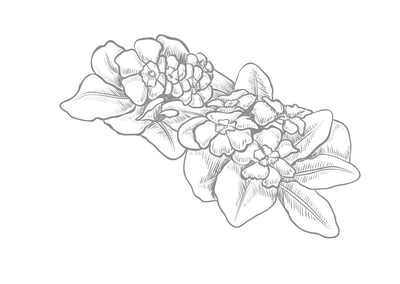


Description
Species Information
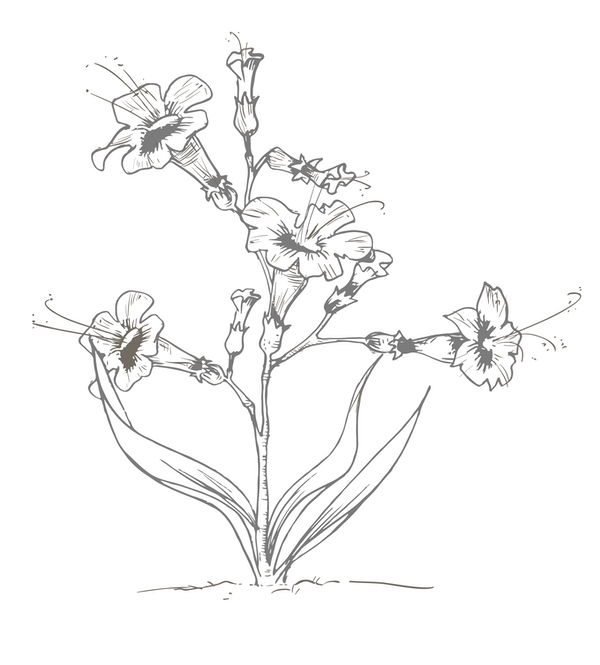
Hedge Woundwort (Stachys sylvatica) is a native British herbaceous perennial. It can be commonly found across woodlands, hedgerows, and rough grassland. Commonly known as ‘Hedge Nettle’, it produces clusters of pinkish-purple flowers from June to October. These flowers attract bees and other pollinating insects.
This perennial plant can grow up to 80cm tall, with hairy stems and dark green, heart-shaped leaves. Its foliage has a strong, unpleasant smell when crushed. It spreads through long underground runners called rhizomes, allowing it to form dense patches over time.
Hedge Woundwort also has a history of use in folk medicine, particularly for the traditional healing of wounds. The famous 17th-century herbalist John Gerard was very impressed with its powers and used it extensively.
How to Identify
Hedge Woundwort has upright, square stems covered in fine hairs. Its dark green leaves grow in opposite pairs and have toothed edges. The leaves are soft and hairy, with a distinctive foetid smell when crushed.
Its pinkish-purple flowers grow in whorls around an upright flower spike. Each flower has a hooded shape, a fused tube, and distinctive white markings. Hedge Woundwort’s flowering season usually runs from June to October.
It can also be commonly confused with other plants in the Stachys genus, including Marsh Woundwort (Stachys palustris). Look at the plant’s leaves, flowers, and growing habitat when identifying it.
How to Grow
Hedge Woundwort grows well in partial shade and prefers moist but well-drained soil. It tolerates a variety of soil types, including clay, loam, sand, and chalk. It grows best in sheltered areas with reasonably fertile soil.
Sow native seeds or propagate established plants by division. Once settled, Hedge Woundwort needs little maintenance and doesn’t require regular pruning. Its rhizomatous growth can help provide ground cover, but it may spread beyond its original planting area.
This wildflower is well-suited to woodland gardens, cottage gardens, and wildflower meadows. Its purple and pink flowers provide a useful source of nectar for bees and other pollinating insects.