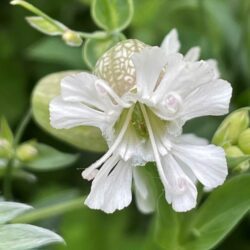

Gypsywort

9cm Pot, Seed Packet, Seeds (per gram), Superplugs, Wildflower Plugs

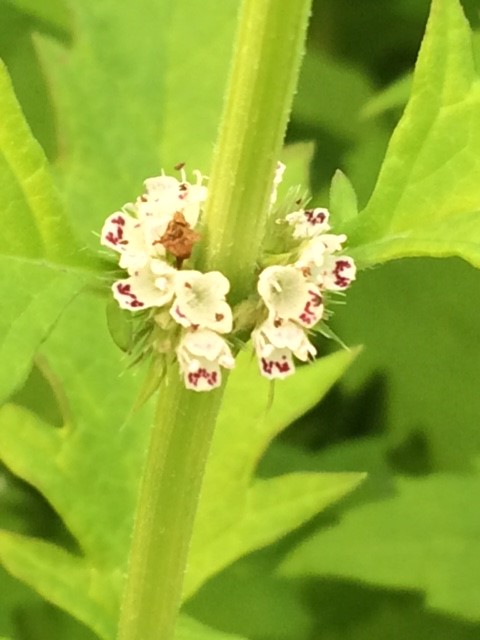
Lycopus europaeus Small bell shaped purple dotted white flowers in dense whorls. Likes Damp.

Step 1: Select Product Option
Step 2: Enter Quantity
Total: £ 0.00 inc. VAT

Latin Name: Lycopus europaeus

Common Name(s): Gypsywort

Plant Type: Perennial, Herbaceous

Friendly For: Bees, Butterflies, RHS Plants For Pollinators

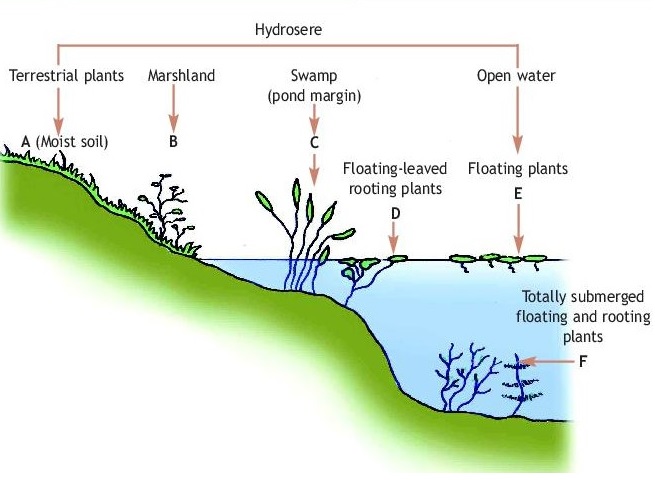
Habitat: Marshland - Zone B, Moist Soil/Terrestrial Plant - Zone A, Part Shade, Sun, Well Drained

Colour:

Purple, White

Height:

30-90cm

Flowering Time:

June - September

SKU: NS-MAIN-2707 Categories: , , , ,

Description

Gypsywort (Lycopus europaeus), also known as gipsywort, bugleweed, European bugleweed, and water horehound, is a clump-forming perennial native to the UK. It typically grows to around 80cm tall and spreads slowly by slender rhizomes. This wetland plant is commonly found along the edges of lakes, ponds, streams, canals and marshes, thriving in consistently damp conditions.

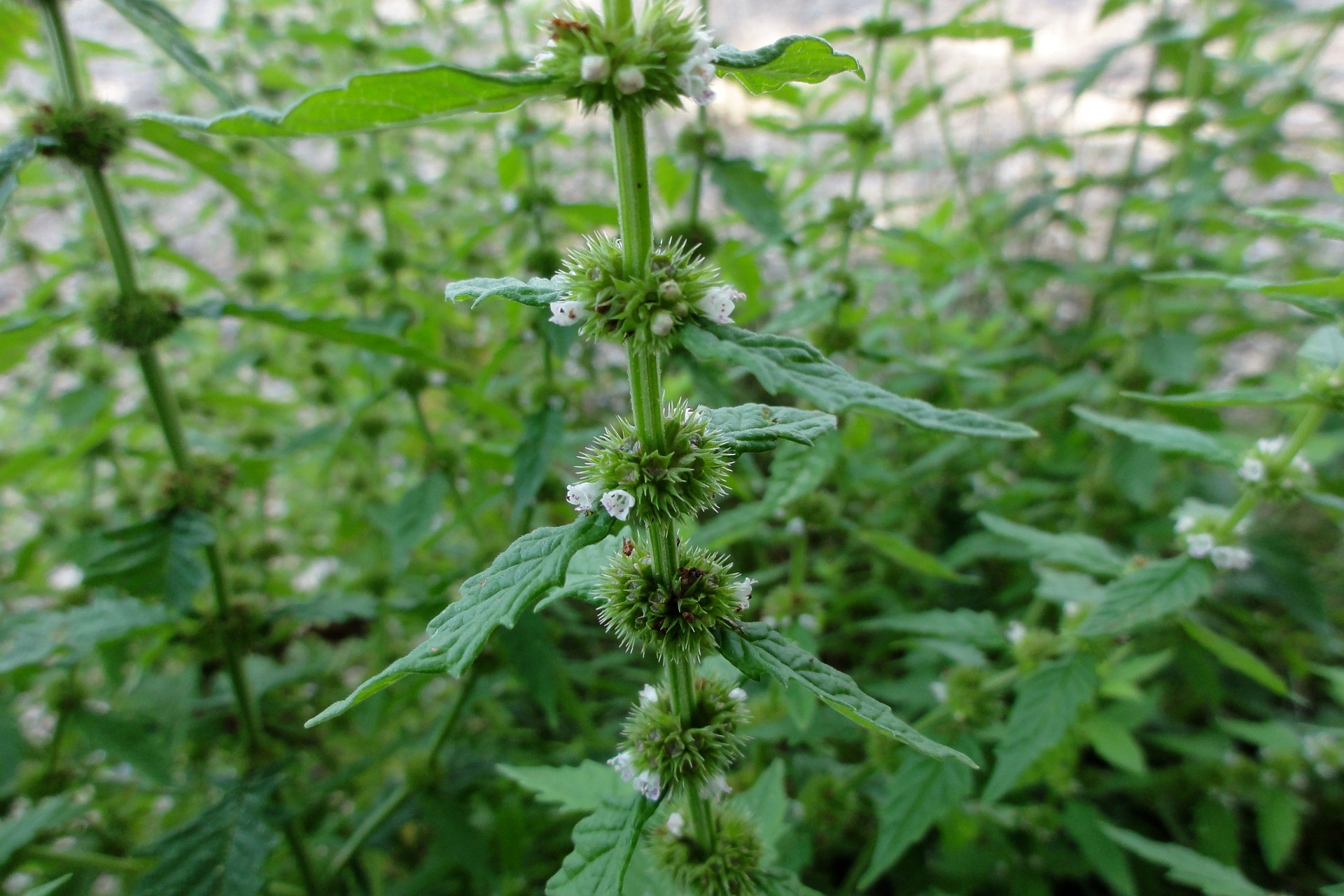
The plant has hairy, square stems and oval, pinnately lobed mid-green leaves. Flowering occurs from July to September, when the plant produces small, tubular white flowers clustered in dense whorls around the upper leaf axils. Historically, gypsywort has been used as an astringent and mild sedative and was also traditionally used to produce a black dye.

How to Identify

Gypsywort can be identified by its square stems, a characteristic of the mint family, and its whorled flower clusters that sit around each node of the stem. The white flowers are small but numerous, forming tight rings beneath the upper leaves.

The leaves are oval, softly hairy and pinnately lobed, giving the plant a textured appearance. Its upright, clump-forming habit and preference for wet habitats help distinguish it from similar marginal plants.

How to Grow

Lycopus europaeus grows best in moisture-retentive, fertile soil and suits a wide range of soil types provided conditions remain damp. It prefers full sun or partial shade and is ideal for pond margins, stream edges, wet meadows and wildlife gardens.

When planted as a marginal pond plant, a typical planting depth of around 15cm (6 inches) is recommended. Once established, gypsywort is low maintenance and provides valuable nectar and pollen for bees and other pollinating insects, making it a strong choice for biodiversity-focused planting schemes.

Additional information

Option

, , , ,

Plant Type

,

Flowering Time

June, July, August, September

Habitat

, , , ,

Natural Dye

Country of Origin

GB

Colour

,

Friendly For

, ,