
Great Burnet

9cm Pot, Seed Packet, Seeds (per gram), Superplugs, Wildflower Plugs

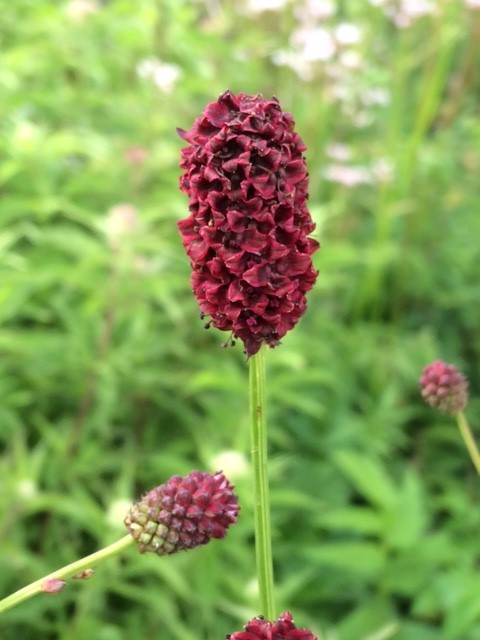
Sanguisorba officinalis Distinctive oblong heads of tiny reddish-purple flowers.

Step 1: Select Product Option
Step 2: Enter Quantity
Total: £ 0.00 inc. VAT

Latin Name: Sanguisorba officinalis

Common Name(s): Great Burnet, Greater Burnet

Plant Type: Perennial

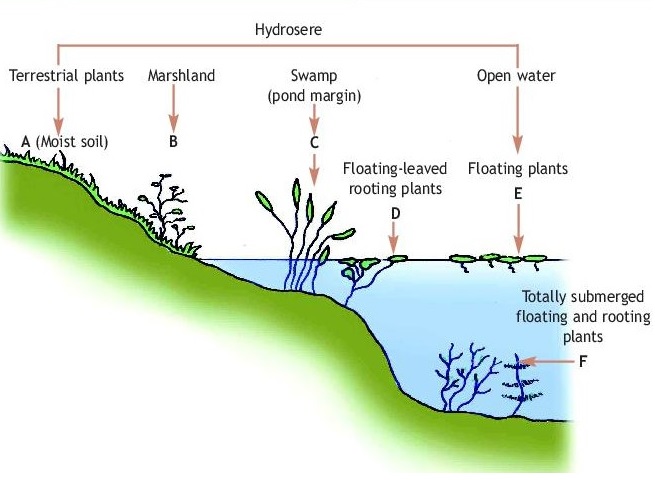
Habitat: Marshland - Zone B, Moist Soil/Terrestrial Plant - Zone A, Pond Margin - Zone C, Sun

Colour:

Brown

Height:

45-90cm

Flowering Time:

July - September

SKU: NS-MAIN-2509 Categories: ,

Description

Great burnet (Sanguisorba officinalis), other common names include salad burnet, is a tall, herbaceous perennial native to the UK. This native wildflower can be commonly found in damp meadows, riverbanks, floodplain meadows, and grasslands. Growing up to 1.5 metres tall, it is valued for both its architectural form and its importance to wildlife, particularly in traditional hay meadows and wet grassland habitats.

From early to late summer, great burnet produces distinctive, egg-shaped, crimson flower heads held on long, upright stems. Although lacking petals, these flowers are rich in nectar and pollen and are highly attractive to bees, butterflies, and other pollinating insects. The plant also serves as a larval food source for several moth species, making it an important contributor to meadow biodiversity.

A member of the rose family (Rosaceae), this hardy perennial will spread steadily and continue flowering reliably for many years once established.

How to Identify

Great burnet has pinnate, toothed leaves arranged in a basal rosette, with smaller leaves spaced along the flowering stems. The flower heads are oval to cylindrical, dark crimson in colour, and made up of tightly packed individual flowers. Flowering typically occurs from June to September, with seed heads persisting into autumn if left uncut.

How to Grow

Sanguisorba officinalis thrives in fertile and moist soils and prefers full sun to partial shade. It is well-suited to damp meadows, pond margins, floodplain grasslands, and wildlife-focused planting schemes. Once established, it is low-maintenance and long-lived, spreading slowly without becoming invasive. Cutting back after flowering or allowing it to self-seed naturally depends on the desired management of the site.

Additional information

Option

, , , ,

Colour