 My Account


Description
Species Information
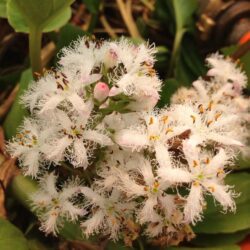
Dropwort (Filipendula vulgaris) is a British native wildflower in the rose family (Rosaceae). This hardy herbaceous perennial produces dense clusters of creamy-white flowers, often tinged pink or red in bud. The flowers appear from early to midsummer and attract bees and other pollinating insects.
Dropwort grows naturally on chalk and limestone downs, calcareous grasslands, and heaths with basic rocks. It suits wildflower meadows, cottage gardens, and wildlife-friendly borders. Once established, it tolerates drier conditions better than Meadowsweet (Filipendula ulmaria) and many other members of its genus.
The plant also has a history of culinary use. Its tuberous roots and young leaves can be cooked or eaten raw in salads, although they have a bittersweet taste. Mature leaves release a scent similar to oil of wintergreen when crushed.
How to Identify
Dropwort forms a low rosette of fern-like leaves with toothed leaflets and a dark green colour. Its finely divided foliage gives the plant a delicate appearance.
Erect stems branch above the leaves, reaching about 50cm to 1m tall. Through summer, they carry dense clusters of creamy-white flowers. The buds often have pink or reddish tones before opening. Beneath the plant, distinctive drop-shaped root tubers help distinguish it from other wildflowers.
How to Grow
Dropwort grows best in full sun but tolerates partial shade. It prefers fertile, humus-rich soil that is moist but well-drained. Alkaline or neutral soils suit this perennial, especially chalk and limestone soils. Plant dropwort in wildflower meadows, cottage gardens, or flower borders. Its flowers provide nectar and pollen for visiting insects, making it a useful choice for wildlife-friendly planting.
You can grow Dropwort from seed sown in containers in spring or propagate it by dividing established plants in spring or autumn. Root cuttings can also be taken from late winter to early spring. Cut back the flower stems after flowering to keep the plant tidy.
Dropwort is generally pest-free, although powdery mildew and fungal leaf spot can sometimes occur.