
Description
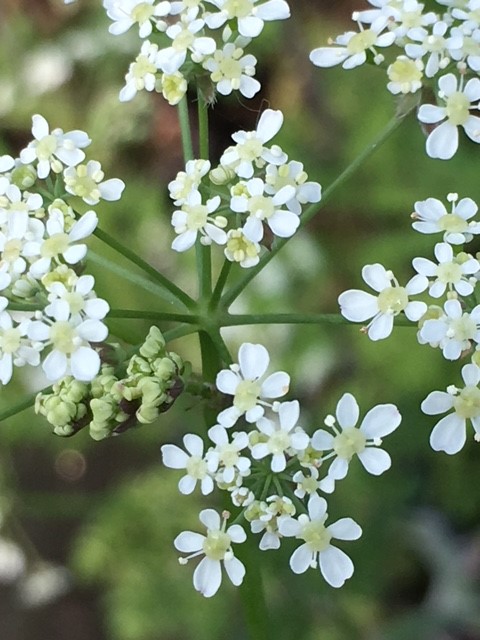
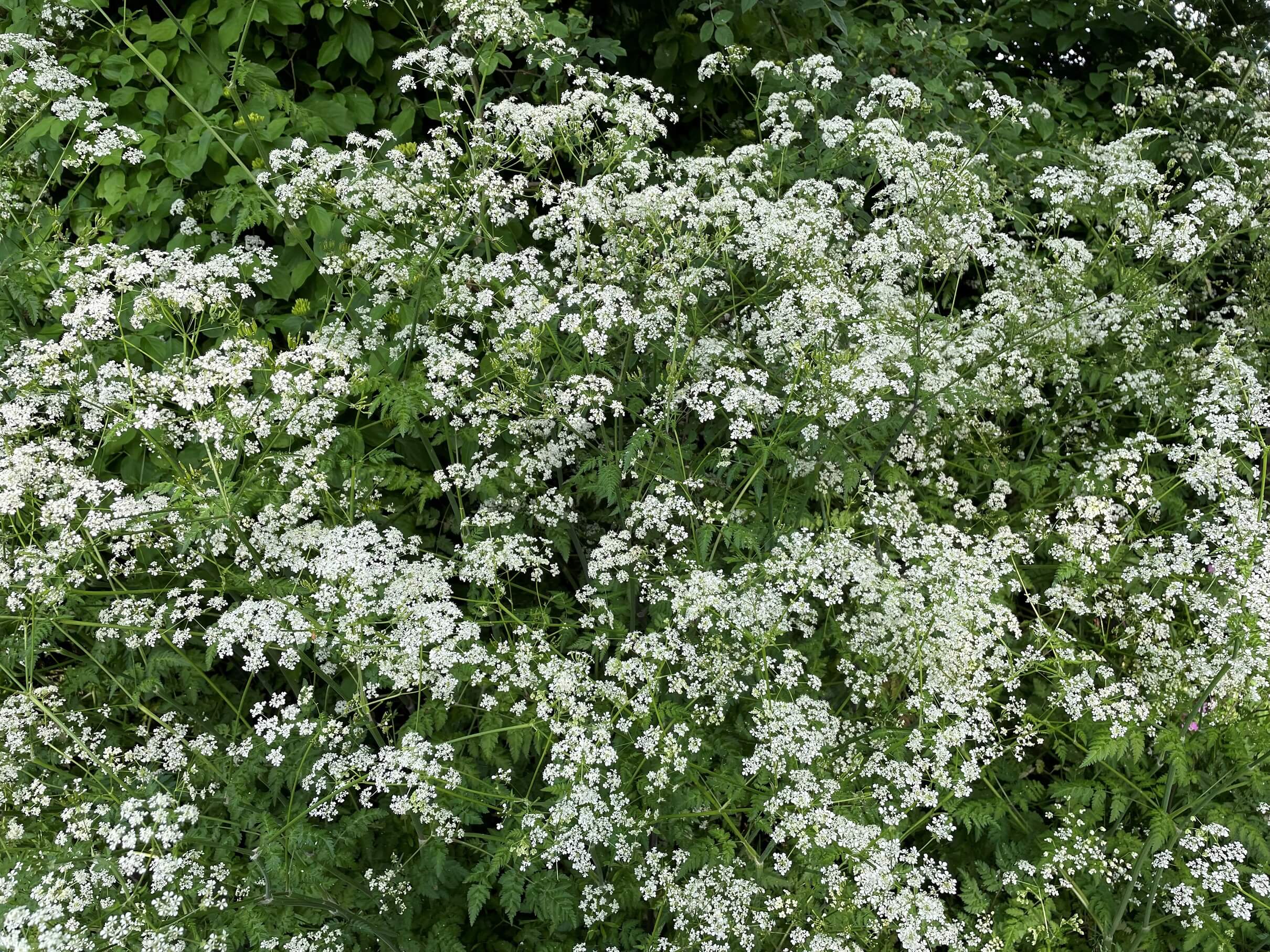
Cow parsley (Anthriscus sylvestris), also known as Queen Anne’s lace, is a short-lived perennial wildflower commonly seen along roadside verges, woodland edges, and hedgerows throughout the UK. In spring and early summer, it produces delicate clusters of white flowers that bring a soft, natural feel to the landscape.
A member of the Apiaceae family, cow parsley is one of many umbelliferous wildflowers found in the UK, recognised by its distinctive umbrella-shaped flower heads. Its flowers provide an important nectar source for a wide range of pollinating insects, making it a valuable addition to any garden.
Whilst attractive in natural settings, cow parsley is a vigorous self-seeder. Each plant can produce hundreds of seeds, allowing it to spread easily if left unmanaged. For gardens and cultivated areas, occasional non-chemical control may be needed to prevent it from becoming dominant.
How to Identify
Cow parsley forms clumps of fresh green, finely divided leaves that have a soft, fern-like appearance. It produces upright, hollow flower stems that are slightly hairy, reaching heights up to 1.2 metres.
Between April and June, airy umbels of small white flowers appear, making cow parsley one of the earliest flowering plants from the umbel family. After flowering, the plant develops small, smooth, oblong fruits, which gradually darken to brown or black as they ripen.
How To Grow
Cow parsley can thrive in a variety of conditions, but it performs best in full sun to partial shade. It is a highly adaptable plant, so it can grow in most soil types, favouring moist, well-drained, loamy, or clay-rich soils with moderate fertility. While cow parsley can tolerate both dry and damp soils, it does not perform well in heavily waterlogged or overly rich soils.
For best results, sow seeds in autumn or early spring, allowing plants to establish a strong root system and healthy foliage in preparation for the flowering season, which is usually between May and June. Once established, cow parsley requires very little maintenance and will often self-seed naturally, helping it spread throughout wildflower areas and natural planting schemes.
Because of its vigorous nature, occasional maintenance and thinning may be helpful in smaller gardens to help keep growth balanced.