 My Account
 Basket



Description
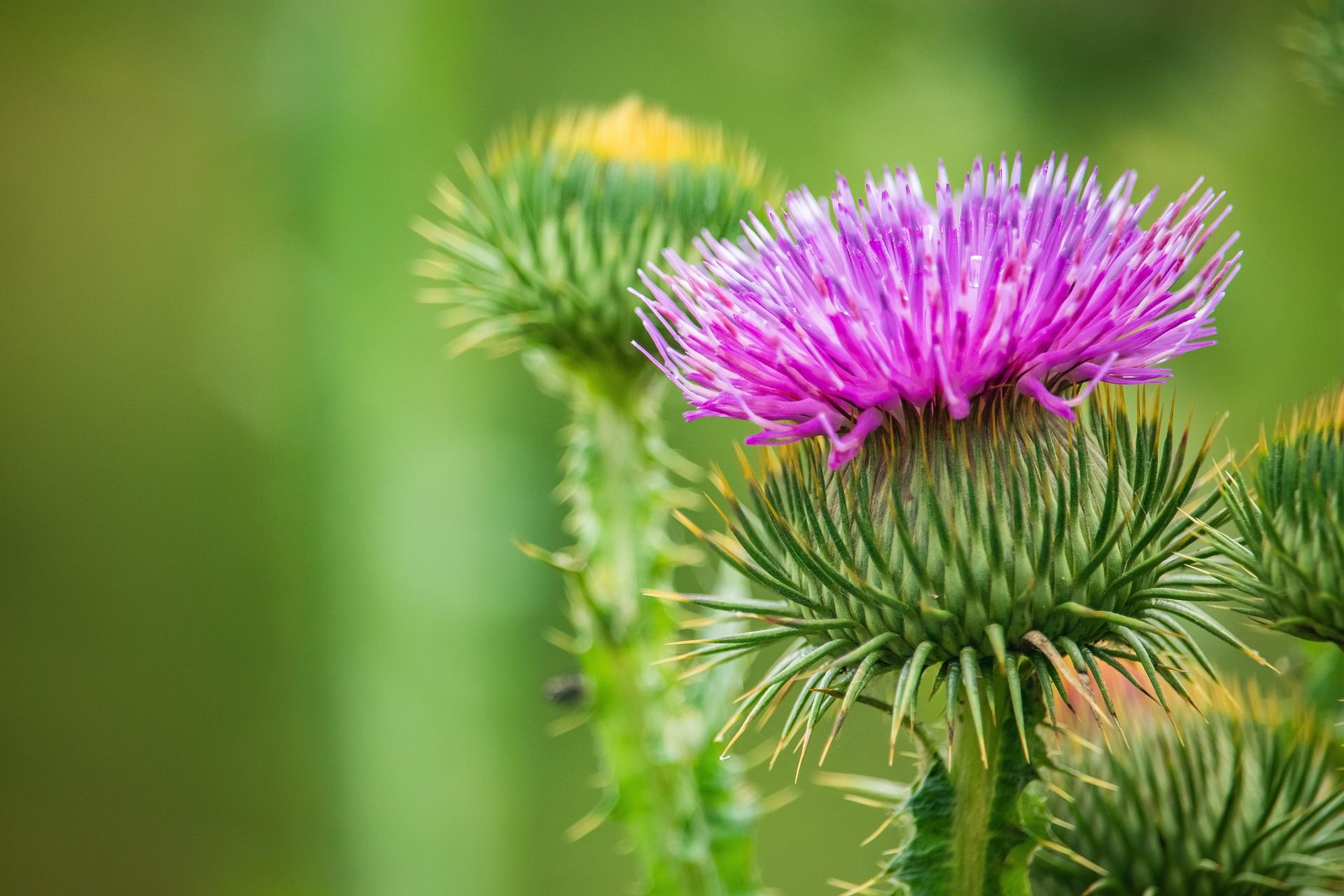
Onopordum acanthium known as Cotton thistle or Scotch thistle It is a vigorous biennial plant with coarse, spiny leaves and conspicuous spiny-winged stems. The leaves of cotton thistle provide food for the caterpillars of some Lepidoptera.
It produces a large rosette of spiny leaves the first year. The plants typically germinate in the autumn after the first rains and exist as rosettes throughout the first year, forming a stout, fleshy taproot that may extend down 30 cm (12 in) or more for a food reserve.
Most seeds germinate in autumn after the first rains, but some seeds can germinate year round under favourable moisture and temperature conditions. Seeds that germinate in late autumn become biennials. But when they germinate earlier, they can behave as annuals