 My Account
 Basket





Description
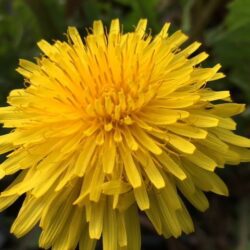
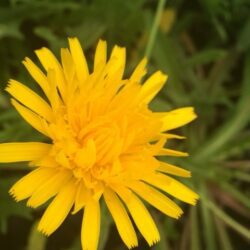
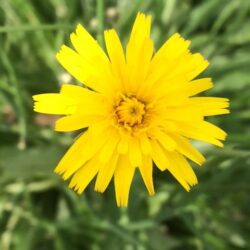
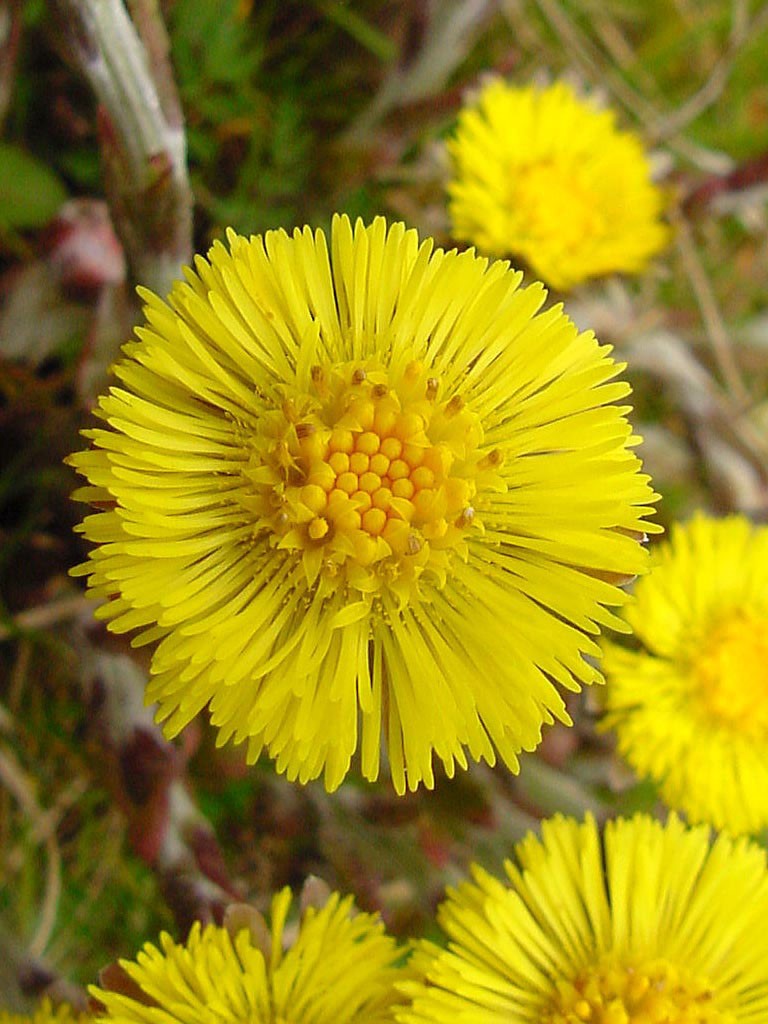
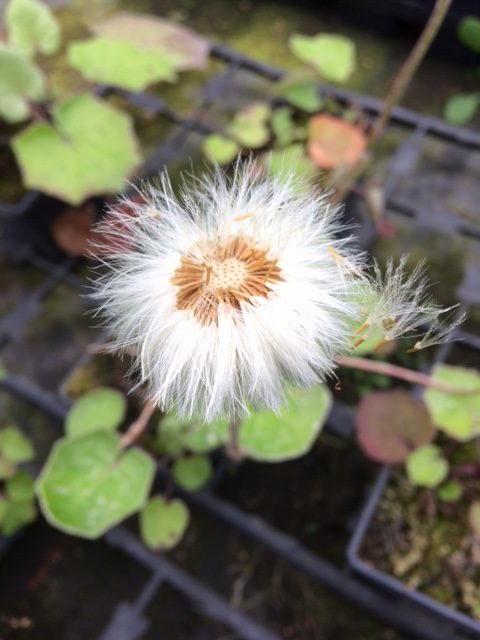
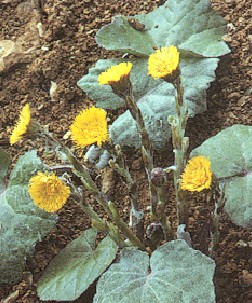
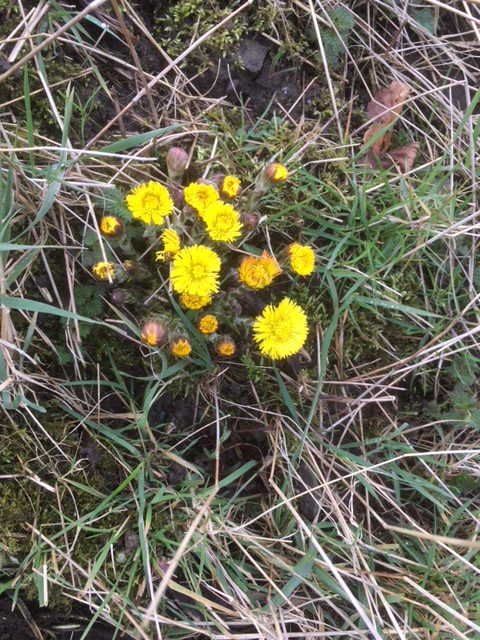
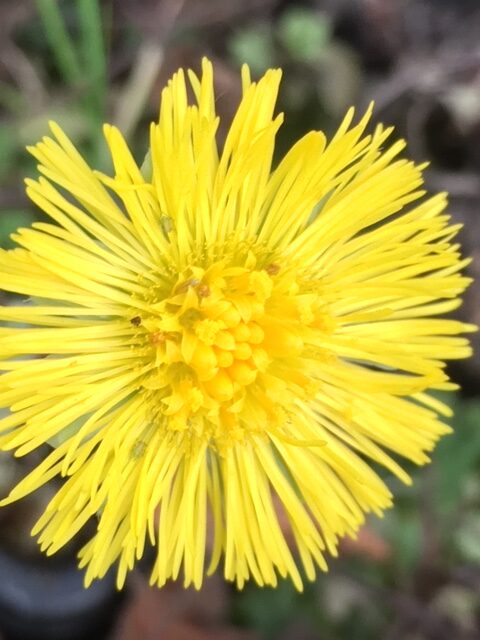
The name “tussilago” is derived from the Latin tussis, meaning cough, and ago, meaning to cast or to act on. An effective demulcent and expectorant (cough dispeller) herb, coltsfoot is one of the most popular European remedies for the treatment of a wide range of chest complaints. It has had uses in traditional medicine, but the discovery of toxic pyrrolizidine alkaloids in the plant has resulted in liver damage health concerns, Seed heads were also used to stuff pillows. You can also obtain a Green dye from the plant. A perennial plant, Coltsfoot resembles a Dandelion except for the flower heads contain more petals.