
Home | Shop | Wildflowers | Wildflower Bulbs | Wild Daffodil

Wild Daffodil

Bulbs - Autumn Planting, Bulbs - Spring Planting

Narcissus pseudonarcissus lobularis Also know as the Lent Lily.  Nodding flowers smaller than garden subject. Moist soil in wood or meadow.

These bulbs were grown from cultivated stock.


Step 1: Select Product Option
Step 2: Enter Quantity
Total: £ 0.00 inc. VAT

Latin Name: Narcissus pseudonarcissus:

Common Name(s): Wild Daffodils

Plant Type: Perennial

Habitat: Damp Meadow, Wet Woodland

Colour:

Yellow

Height:

35cm

Flowering Time:

March - April

SKU: NS-936 Categories: ,

Description

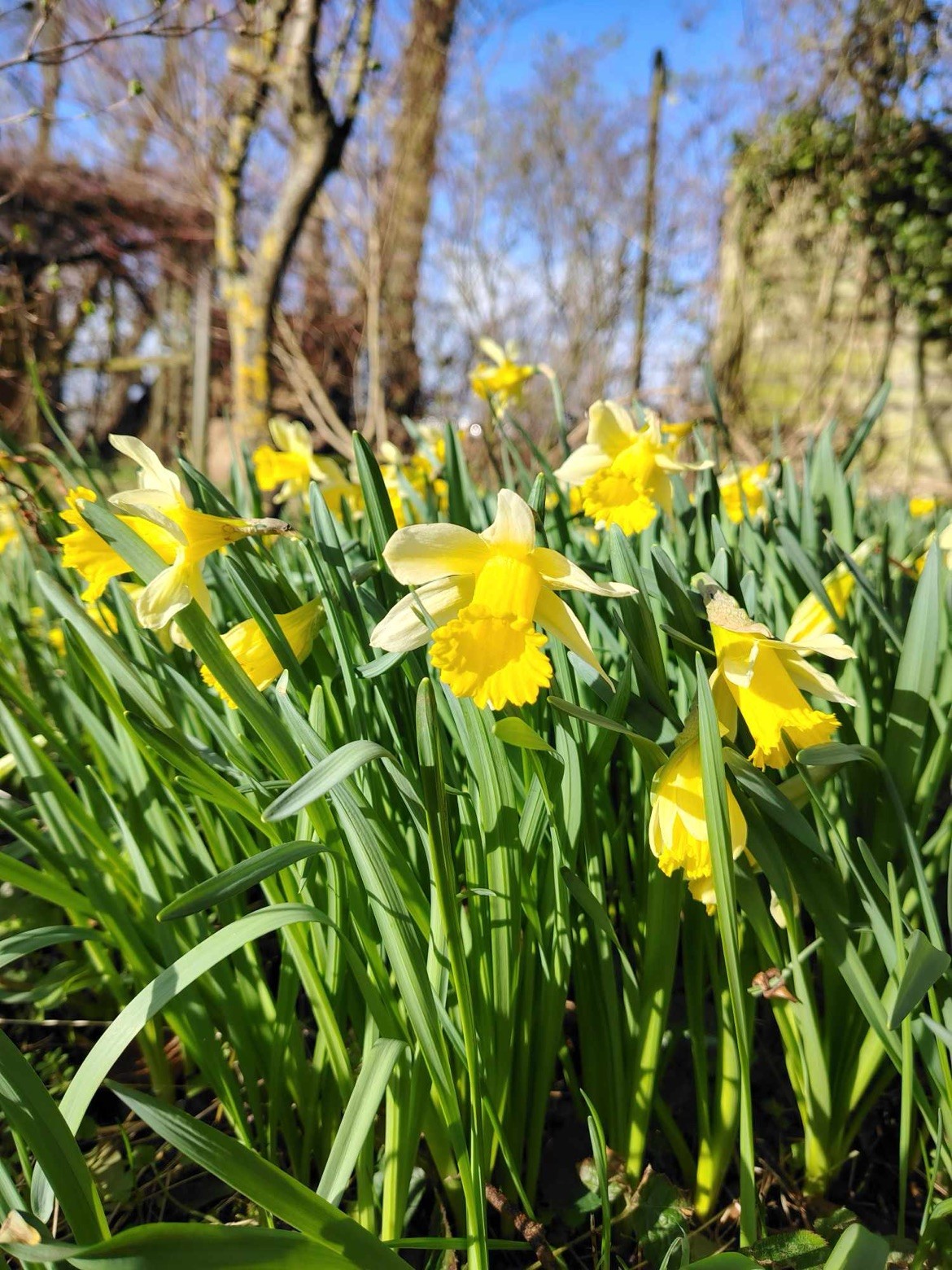
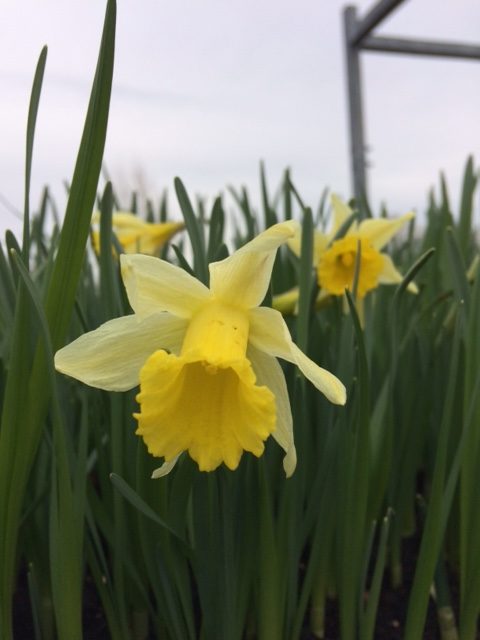
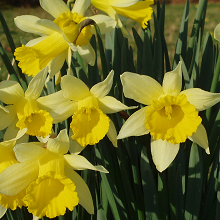
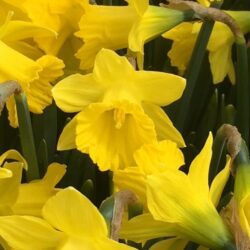
The Wild Daffodil (Narcissus pseudonarcissus), also known as the Lent Lily, is one of the UK’s most cherished spring wildflowers. These beautiful native daffodils are smaller and more delicate than the bold garden varieties commonly seen in parks and roadsides. Their soft, bright yellow petals surround a deeper yellow trumpet, creating the classic two-tone look that makes true wild daffodils easy to recognise.

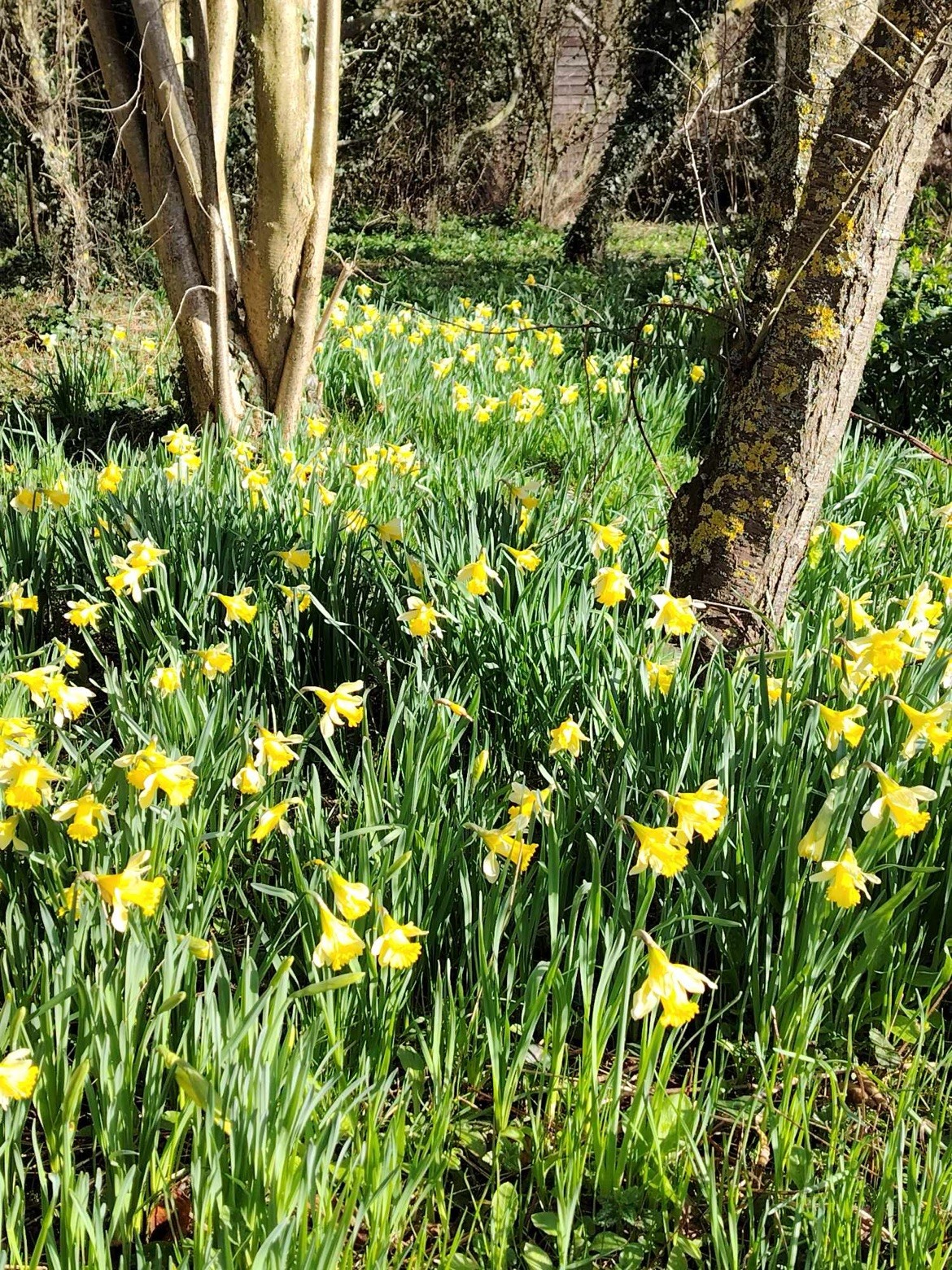
Unlike many cultivated varieties, wild daffodils grow naturally in ancient woodlands, grassy banks, and damp meadows. They are particularly associated with parts of Wales and South West England, where they carpet the ground with cheerful spring colour. Once abundant across the countryside, these plants became much rarer during the 19th century due to habitat loss, making natural populations even more special today.

Wild daffodils typically appear from March to April, bringing early brightness to shaded woodland edges and open glades. Celebrated as a symbol of renewal, they have long been linked with British springtime traditions and remain an important part of our native flora.

How to Identify

Wild Daffodils are noticeably smaller than most garden flowers, and the bright, uniform yellow daffodils are often planted in public spaces. They grow to a modest height of around 20–30cm and form attractive clumps rather than tall, upright stems.

The plant produces long, grey-green leaves that rise from the base, with delicate nodding flower heads held above the foliage. Each bloom features pale yellow outer petals and a darker yellow trumpet at the centre, a key feature that sets them apart from larger, single-colour cultivated forms.

Wild daffodils are usually seen flowering in March, continuing into early April depending on local conditions. When established, they can slowly spread to create naturalised drifts, particularly in woodland settings and traditional hay meadows.

How to Grow

Growing Native Daffodils (Narcissus pseudonarcissus) is easy when you recreate their natural conditions. They thrive best in well drained soils with plenty of organic matter, and prefer positions in full sun or partial shade. A slightly moist soil is ideal, particularly during the growing season.

For best results, plant bulbs in autumn. Always plant the pointy end up, at a depth of 10–15cm (4–6 inches) and space them around 7–10cm apart. They look most natural when planted in informal drifts beneath trees, along hedgerows, or in grassland areas.

Wild daffodils favour conditions similar to their native habitat, including woodland-type soil, light leaf litter, and gently moisture-retentive ground. While they may be a little shy to flower in the first year, they will establish steadily and improve with time.

After flowering, allow the foliage to die back naturally. Avoid cutting leaves too early, as this prevents the bulbs from storing energy for the following spring. With minimal care, wild daffodils will return year after year, providing a reliable and beautiful early spring display. For more information regarding planting your wild daffodils, view our planting instructions here.

Whether planted in lawns, woodland borders, or traditional wildflower areas, Daffodils bring authentic native charm to any setting. Our wild Daffodils are available to purchase as bulbs, for both Spring and Autumn planting.

Additional information

Option

,

Colour

Habitat

,

Plant Type

You may also like…