 My Account
 Basket

Description
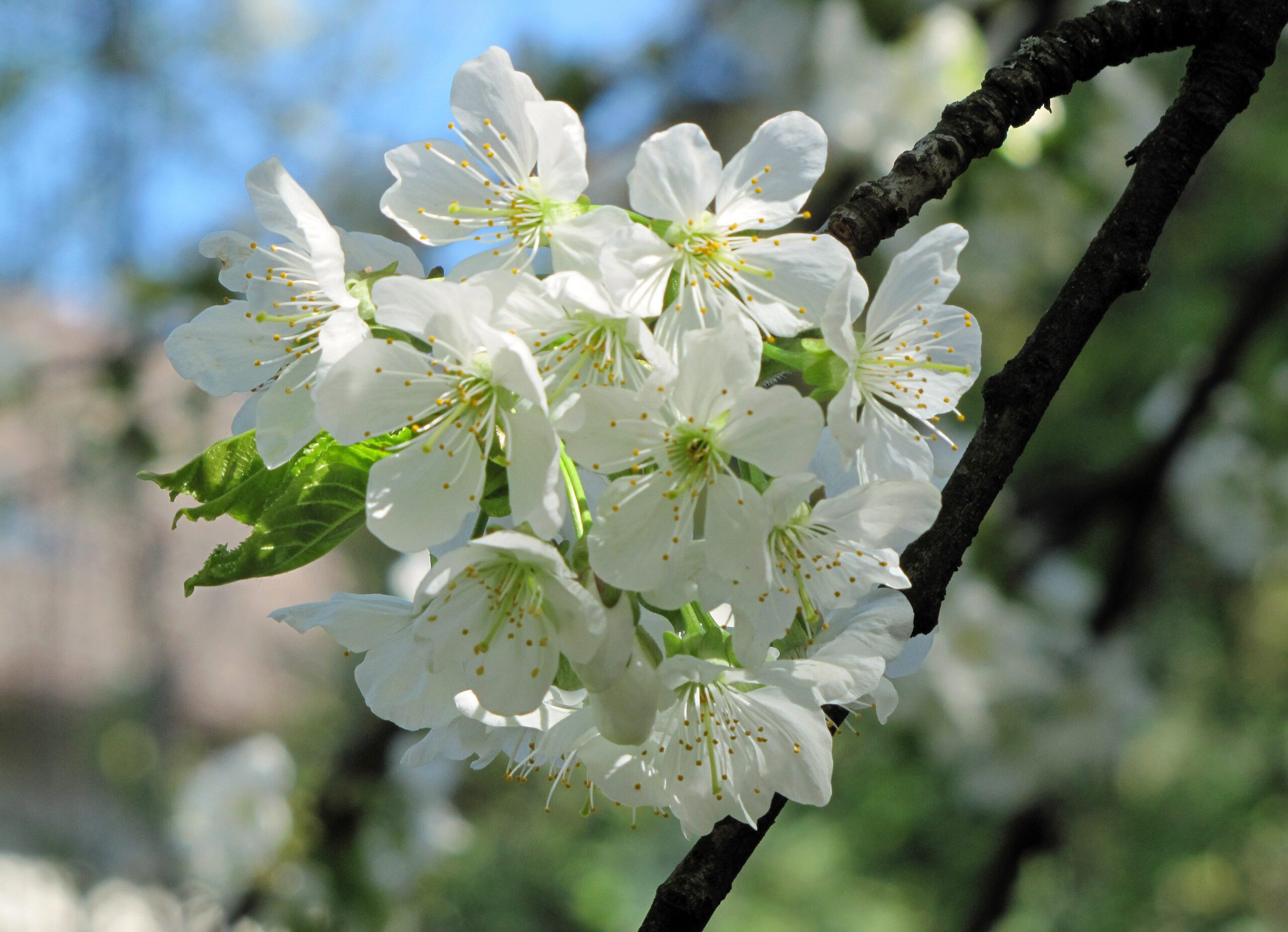
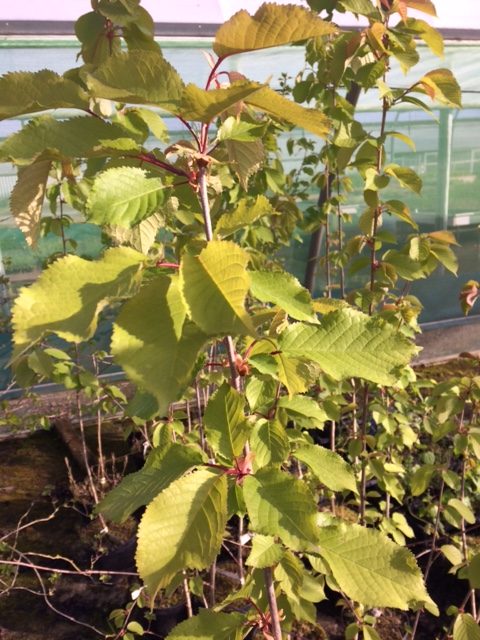
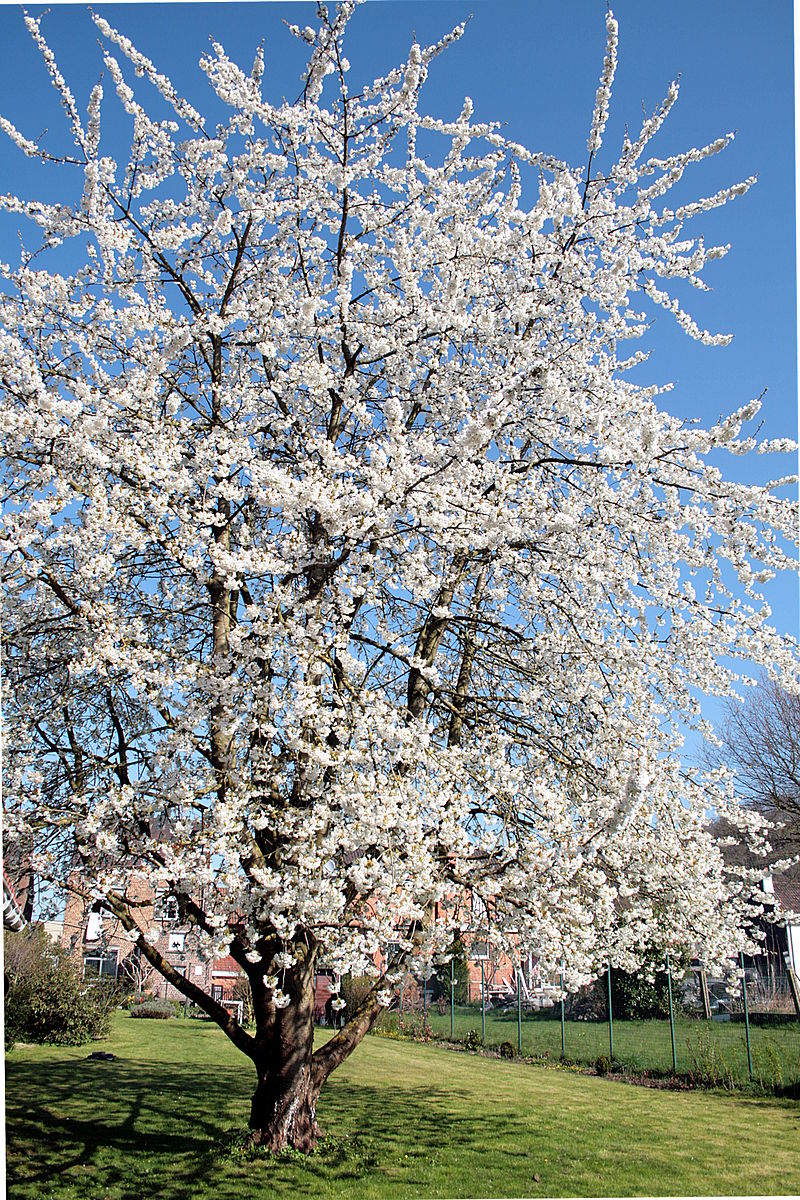
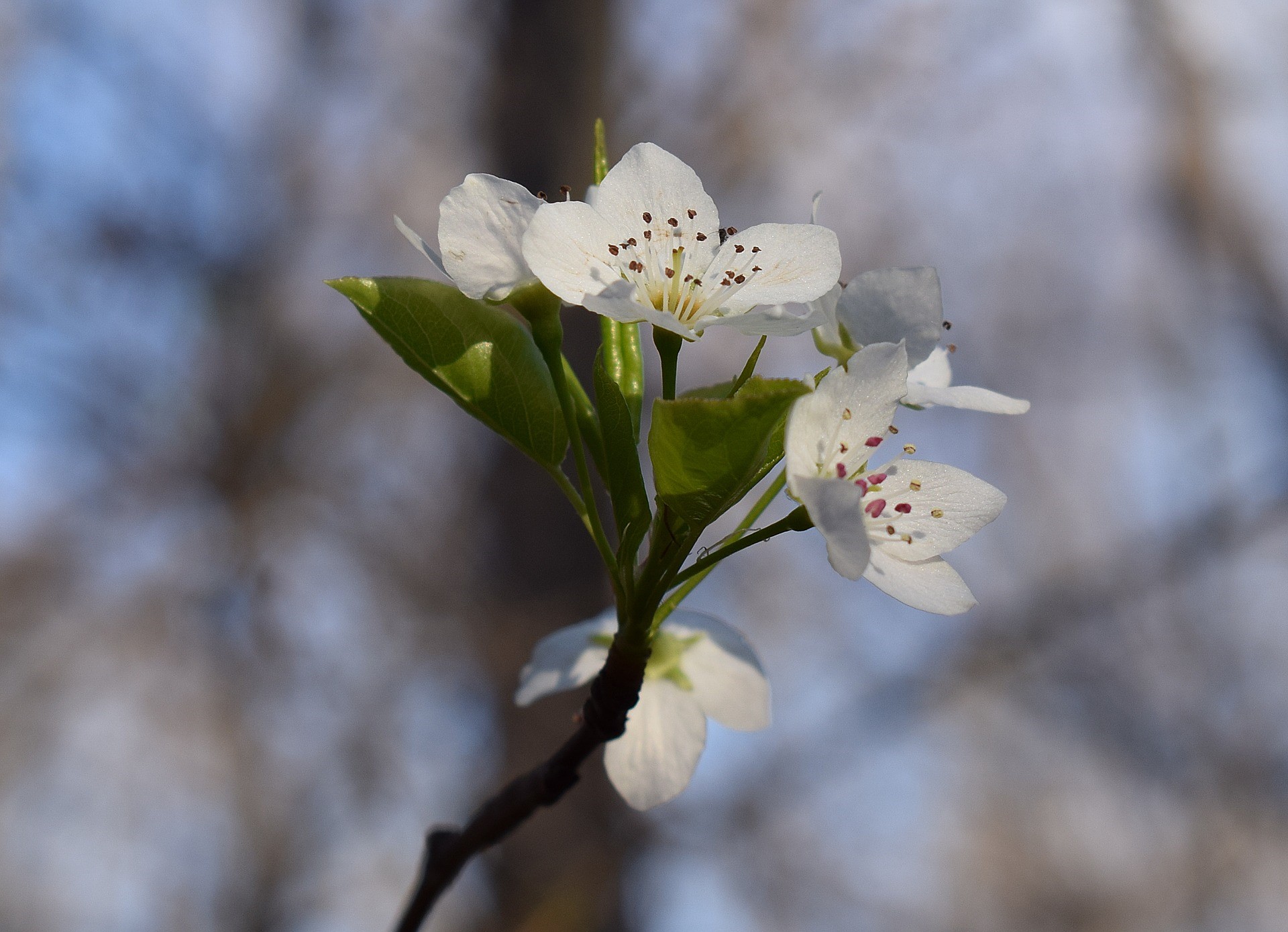
Prunus avium is a deciduous tree growing to 15–32 m (49–105 ft) tall, with a trunk up to 1.5 m (4.9 ft) in diameter. All parts of the plant except for the ripe fruit are slightly toxic. The fruit are readily eaten by numerous kinds of birds and mammals, which digest the fruit flesh and disperse the seeds in their droppings. Some rodents, and a few birds also crack open the stones to eat the kernel inside. The tree exudes a gum from wounds in the bark, by which it seals the wounds to exclude insects and fungal infections The fruit are readily eaten by numerous kinds of birds and mammals, which digest the fruit flesh and disperse the seeds in their droppings. Roots can be used to make a purple dye.
If using in as hedge: All species in a wildlife hedge can be cut back or “Coppiced” without harm. In the 1st year after establishment the hedge can be cut back to stimulate growth of the hedge from the base thereafter cut every 2-3 years. If the weather is unsuitable for planting or receiving the hedging, dig a hole and bury the roots of the bunched plants, they can be held like that till planting. After planting it is advantageous to mulch the hedge with lawn mowing or leaf mould to suppress weeds and also be done with plastic or carpet cuts and covered with soil.