
Description
Water mint (Mentha aquatica) is a native marginal plant commonly found along pond shelves, wet meadows, streams, and damp places across the UK. One of around 14–15 mint species and hybrids growing in Britain, it shares the strongly aromatic leaves typical of the mint family. Native to much of Europe, North Africa and south-west Asia, water mint is an excellent plant for wildlife, attracting pollinating insects, aquatic species, and other beneficial invertebrates.
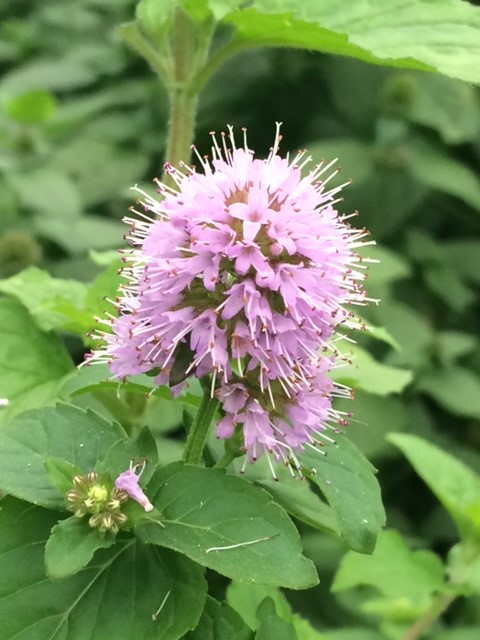
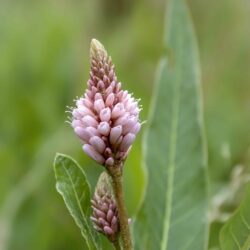
The dark green leaves can be used in the same way as other mints, including for flavouring food and drink or making herbal teas. From July through to October, water mint produces rounded heads of pinkish-purple flowers, which are rich in nectar and highly attractive to pollinating insects. It spreads readily by creeping runners, allowing it to form lush colonies in suitable conditions.
How to Identify
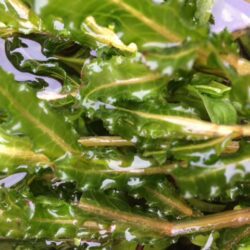
Mentha aquatica can be recognised by its softly hairy, oval leaves with toothed edges, arranged in whorls around reddish, square stems. The flowers form dense, rounded clusters at the tips of the stems and are typically lilac to pink-purple in colour, standing out clearly against the foliage.
How to Grow
Water mint thrives in waterlogged or consistently moist soils and shallow water, making it ideal for pond margins, bog gardens, and damp areas of the garden. It grows best in full sun or partial shade and can be planted directly into wet ground or in aquatic baskets placed on pond shelves.
Once established, it is fast-growing and low-maintenance, though its spreading habit means it may need occasional control in smaller spaces. Regular trimming helps keep plants tidy and encourages fresh growth, while also preventing them from outcompeting neighbouring marginal plants.