
Reed Canary Grass

9cm Pot, Superplugs, Wildflower Plugs

Phalaris arundinacea. This is a perennial grass which spreads underground by its thick rhizomes

Step 1: Select Product Option
Step 2: Enter Quantity
Total: £ 0.00 inc. VAT

Latin Name: Phalaris arundinacea

Common Name(s): Reed Canary Grass

Plant Type: Perennial

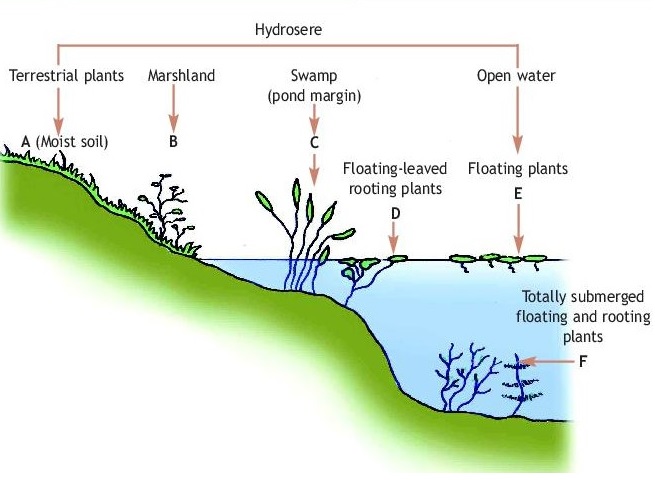
Habitat: Marshland - Zone B, Pond Margin - Zone C

Colour:

Green

Height:

200cm

Flowering Time:

July - September

SKU: NS-MAIN-3385 Categories: ,

Description

Reed canary grass (Phalaris arundinacea), also known as gardener’s garters, is a vigorous rhizomatous perennial grass native to Great Britain and widely found across wetland margins, riverbanks, ditches, and pond edges. This tall wetland plant forms dense colonies and is frequently used as ground cover in damp landscapes, where it plays an important role in erosion control and bank stabilisation.

Its dense growth provides valuable nesting sites and shelter for wild birds and other wildlife, making it a practical and ecological choice for larger water features and restoration planting. While beneficial in its native range, its strong growth means annual management may be required to prevent it from becoming dominant.

How to Identify

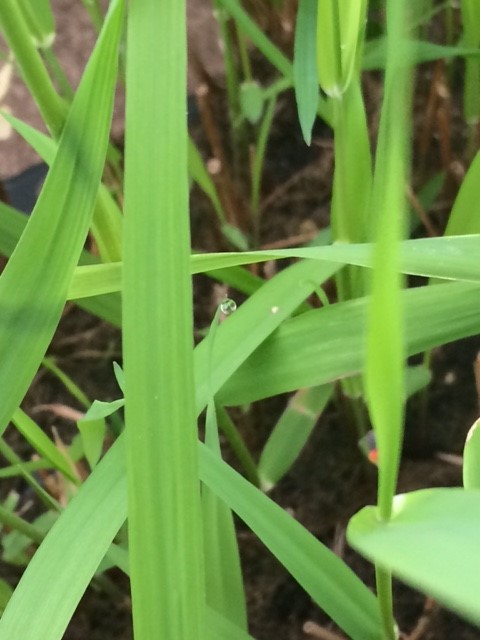
Reed canary grass is a tall perennial grass, reaching up to 1.5m in height, with upright stems and long, narrow blue-green leaves that are sometimes variegated. The foliage forms thick clumps, spreading via underground rhizomes.

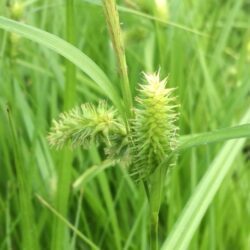
From early to mid-summer, pale green flower spikelets appear, often tinged with purple or pink as they mature, forming loose seed heads that rise above the leaves.

Its overall appearance is robust and architectural, typical of many wetland plants found in marshes and along watercourses.

How to Grow

Phalaris arundinacea thrives in a wide range of soil types, from loamy soils to heavy clay, provided conditions remain moist or wet. It prefers partial shade but will tolerate full sun if soil moisture is consistent, and it is fully winter hardy.

Ideal for planting along pond margins, wetland edges, and seasonally flooded ground, this perennial grass establishes quickly and spreads to cover bare patches. Due to its vigorous nature, occasional thinning or containment is recommended, particularly in garden settings, to keep growth under control while retaining its value as a resilient wetland plant.

Additional information

Option

, ,

Colour

Habitat

,

Plant Type