
Description
Pussy willow (Salix caprea), also known as goat willow, is a beautiful, native plant found across the UK. It grows as a bushy deciduous shrub or small tree, often developing a short trunk and a naturally rounded shape. It can reach an impressive stem height of 8 to 10 metres. It responds happily to pruning, making it easy to manage in wildlife gardens and hedgerows.
Loved for its soft, silvery catkins and its wildlife value, goat willow brings life and colour to natural landscapes just as winter begins to fade. Goat willow is wonderfully tough, with a strong hardiness rating, growing well across the UK, including oak woodlands and coastal locations.
It supports a huge range of wildlife and is especially valued for its early nectar and pollen, helping pollinating insects when little else is in flower. Notably, it is a key food plant for the elusive and regal purple emperor butterfly, making goat willow a wonderful choice for wildlife-friendly gardens and landscapes.
How to Identify
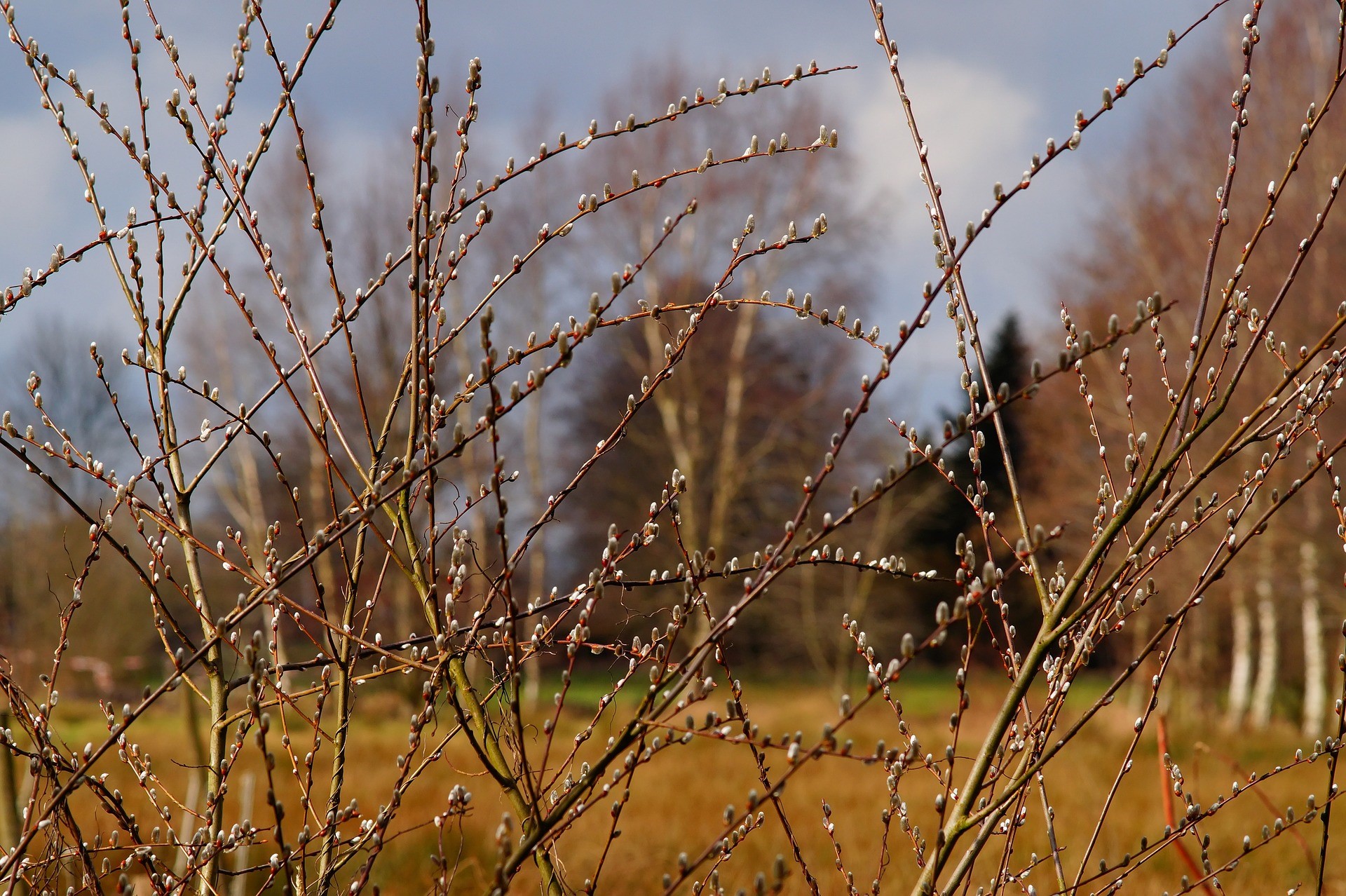
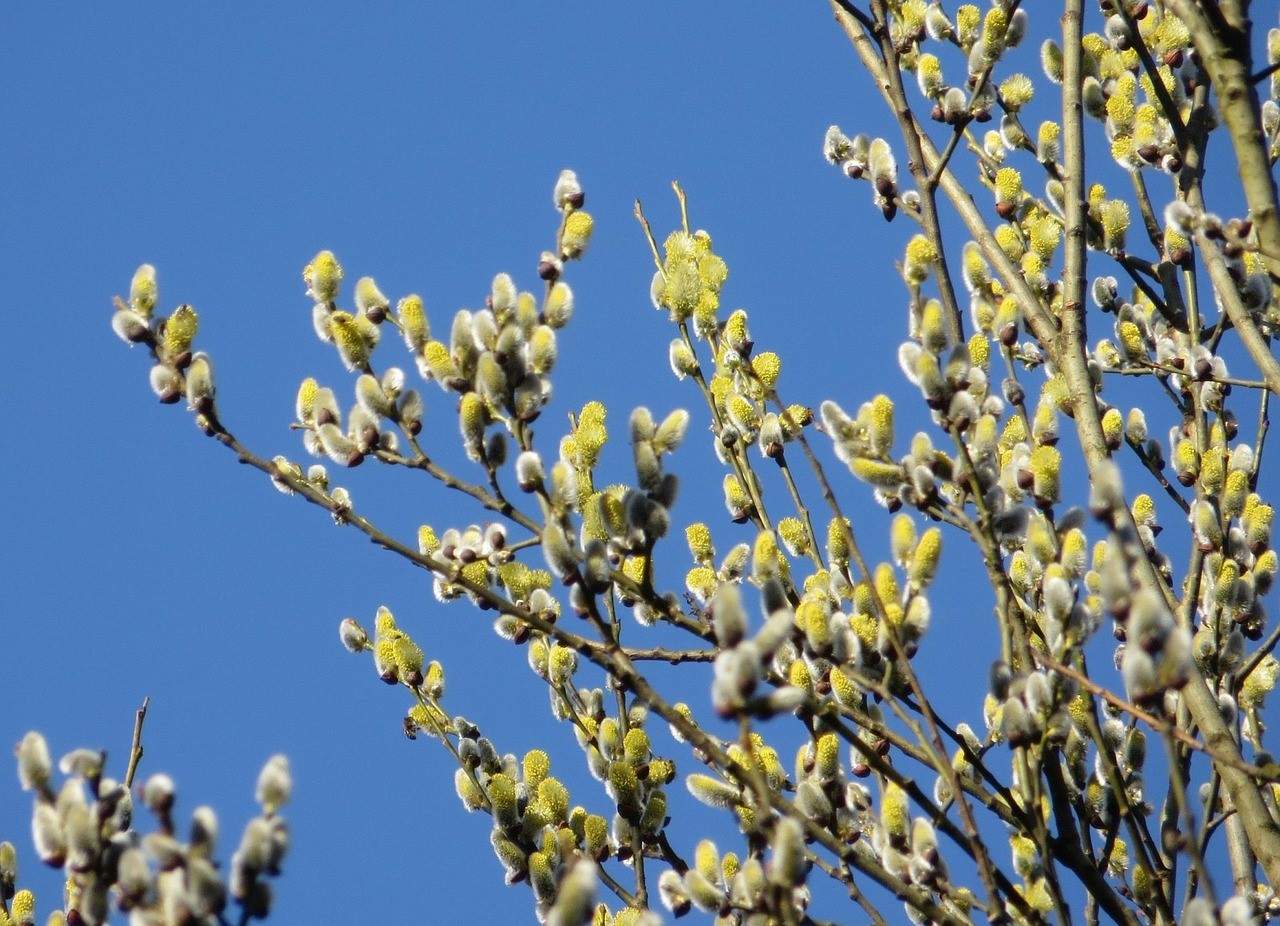
Goat willow is best recognised in late winter and early spring, when its iconic pussy-soft catkins appear on bare branches. These start with a gentle silvery sheen before opening to golden pollen, creating a welcome splash of colour at a quiet time of year.
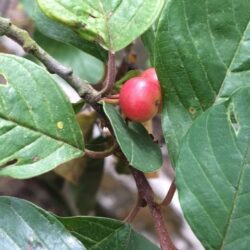
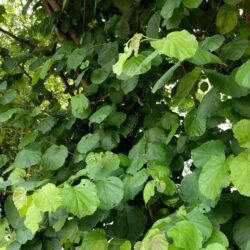
The leaves arrive later, broad and softly textured, green above and pale grey underneath. Young plants have a dense, bushy habit, and older specimens develop attractive bark and branching. Overall, it’s a plant that looks good in every season and feels right at home in natural planting schemes.
How to Grow
Goat willow is an easy-going and rewarding plant to grow. It thrives in full sun or partial shade and is happy in most soil conditions. It establishes quickly and can be grown successfully from plants or simple stem cuttings.
If used as part of a hedge or wildlife planting, cutting back in the first year encourages strong growth from the base. After that, trimming or coppicing every two to three years will keep it healthy and full. A mulch of leaf mould or grass cuttings after planting helps retain moisture and gives young plants the best possible start.