 My Account


Description
Species Information
Ivy-leaved Toadflax (Cymbalaria muralis) is a low-growing, trailing perennial that has become naturalised across the UK. Originally introduced as a garden plant, it has grown wild in Britain since the 17th century.
It makes a fantastic ground cover plant for walls, rockeries, and gaps between paving stones. Its small flowers also provide nectar for bees, butterflies, and other pollinating insects.
Other common names include Climbing Sailor, Roving Sailor, Penny Leaf, and Mother of Thousands.
How to Identify
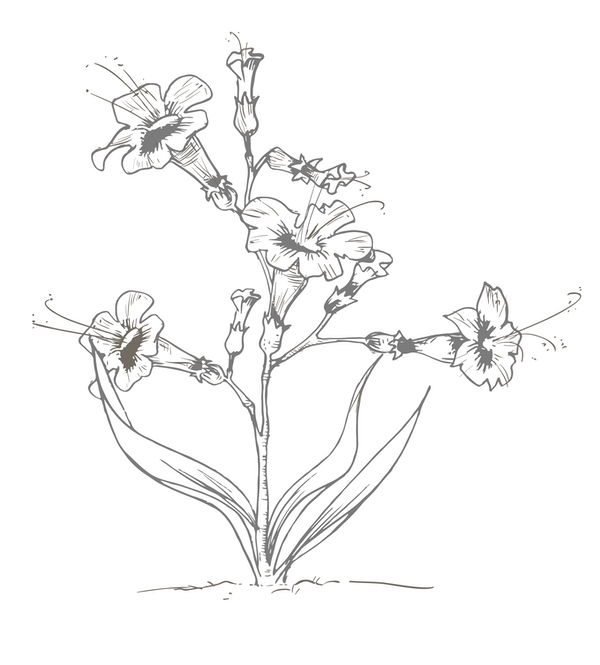
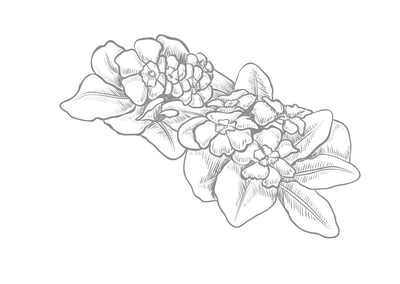
Ivy-leaved Toadflax grows to around 10cm tall, with creeping stems and small, evergreen leaves. The rounded leaves have distinctive ivy-like shapes and remain on the plant throughout the year.
From April to October, it produces small, lilac, snapdragon-like flowers with distinctive white and yellow markings. The flowers grow singly along the trailing stems.
After pollination, the flower stalk bends away from the light, directing the developing seeds towards suitable places to grow.
How to Grow
Ivy-leaved Toadflax grows well in full sun or partial shade and prefers well-drained soil. Sow seeds in spring or autumn, pressing them lightly onto the soil surface without covering them deeply.
It thrives in wall crevices, rockeries, and gaps between paving stones, where other plants may struggle to establish. Once established, it needs little maintenance and spreads naturally to form a carpet of foliage and flowers. Trim back excess growth when needed to keep it within its intended space.