
Greater Willowherb

9cm Pot, Seed Packet, Wildflower Plugs

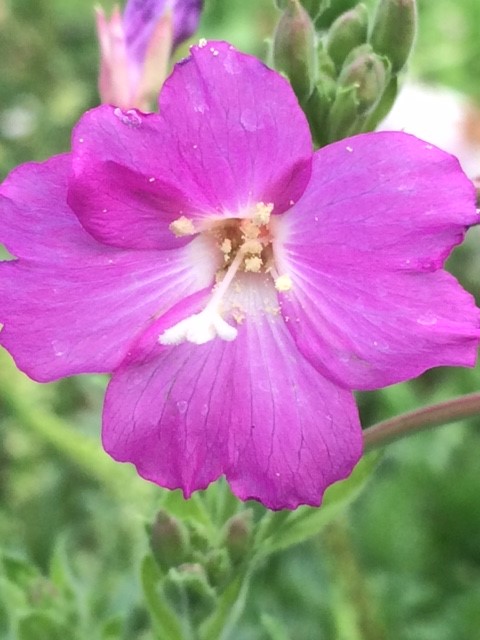
Epilobium hirsutum Purplish pink flowers with cream center, inhabits damp and waste places, river-sides and ditches

Step 1: Select Product Option
Step 2: Enter Quantity
Total: £ 0.00 inc. VAT

Latin Name: Epilobium hirsutum

Common Name(s): Greater Willowherb, Willowherb Epilobium

Plant Type: Perennial, Herbaceous

Friendly For: Bees, Butterflies, RHS Plants For Pollinators

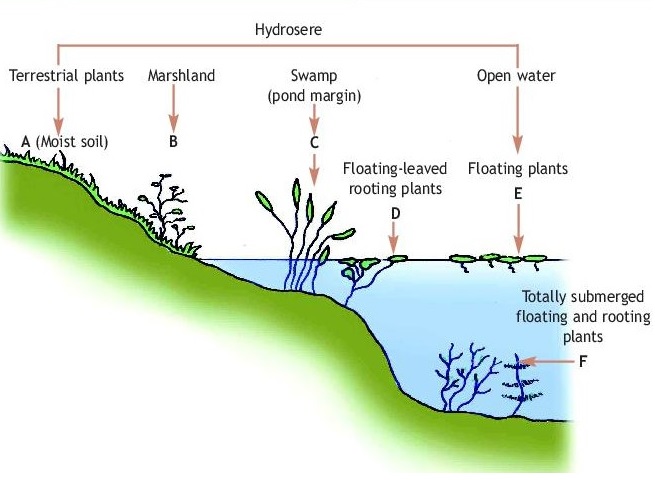
Habitat: All Soils, Moist Soil/Terrestrial Plant - Zone A, Part Shade, Sun

Colour:

Pink, Purple

Height:

90-180cm

Flowering Time:

July - September

SKU: NS-MAIN-3190 Categories: ,

Description

Greater willowherb (Epilobium hirsutum) is a tall, robust native herbaceous perennial commonly found in damp habitats across much of the UK. It thrives in wet grasslands, ditches, riversides, wetlands, woodland clearings, and is also frequently seen in towns and gardens where conditions remain moist. This species can reach heights of up to 2 metres, forming eye-catching stands in summer.

Flowering from July to August, great willowherb produces showy purple-pink flowers with creamy centres held on tall, hairy stems. After flowering, it forms fluffy seed heads that are dispersed by the wind, allowing the plant to spread readily in suitable conditions. This plant provides an important source of nectar and pollen for bees and a wide range of other pollinating insects, supporting biodiversity throughout its flowering period.

Great willowherb is sometimes called ‘Codlins-and-cream’, a reference to its pink flowers with creamy centres. Other traditional names, such as ‘Apple-pie’ and ‘Cherry-pie’, follow the same theme and reflect its long-standing presence in the British countryside.

How to Identify

Great willowherb is easily recognised by its tall stature and stems covered in soft, downy hairs. The lance-shaped leaves grow in opposite pairs along the stem. The flowers are relatively small but numerous, with four pinkish-purple petals surrounding a pale, creamy centre, giving the plant a distinctive two-tone appearance.

Where It Grows

This species is found throughout mainland UK, though it is less common in Scotland. It favours freshwater habitats and wetlands, but readily colonises disturbed, damp ground, making it a familiar sight along rivers, drainage channels and unmanaged edges.

Additional information

Option

, ,

Flowering Time

July, August, September

Country of Origin

GB

Colour

,

Habitat

, , ,

Plant Type

,

Friendly For

, ,