
Description
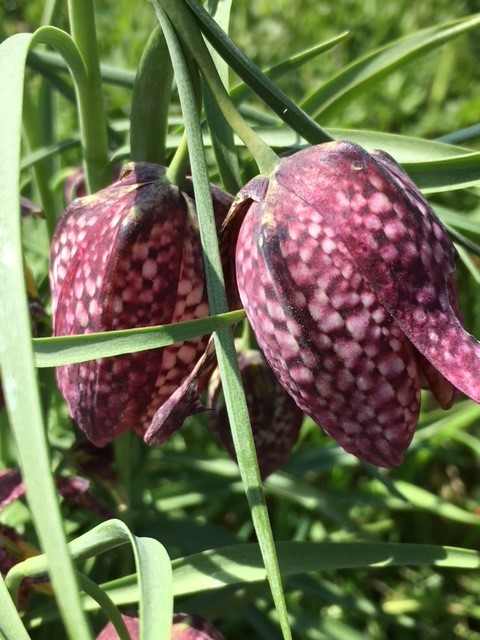
Snake’s-head fritillary (Fritillaria meleagris) is one of Britain’s most distinctive and much-loved spring wildflowers. Commonly known as the snake’s head fritillary or Chess Flower, it is famous for its elegant, nodding blooms and unmistakable chequered pattern. These delicate flowers appear from April to May and range in colour from rich purple and pink to occasional pure white forms.
Once widespread across damp meadows, floodplain meadows, and river valleys, the British Snake’s Head Fritillary has sadly declined due to habitat loss and changes in traditional land management. Today it is considered a vulnerable species in the wild and is carefully protected and conserved by several organisations.
Despite its rarity in the countryside, snake’s-head fritillary bulbs are increasingly popular in gardens, where they bring a touch of natural meadow charm to spring planting schemes. When grown in suitable conditions, they create beautiful, naturalistic displays reminiscent of the ancient hay meadows where they once thrived.
How to Identify
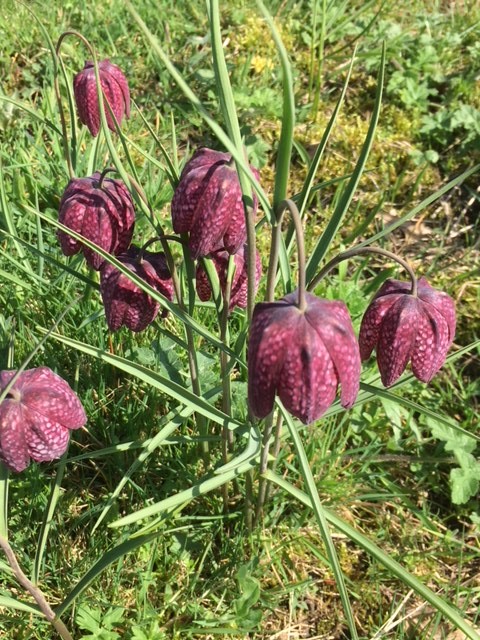
Snakehead fritillary is easy to recognise thanks to its unique and graceful appearance. Growing to around 30cm tall, it produces slender stems topped with bell-shaped, drooping flowers.
The petals feature a distinctive chequered pattern, giving the plant its alternative name, Chess Flower. Most blooms are pink-and-purple-chequered flowers, though white varieties also occur.
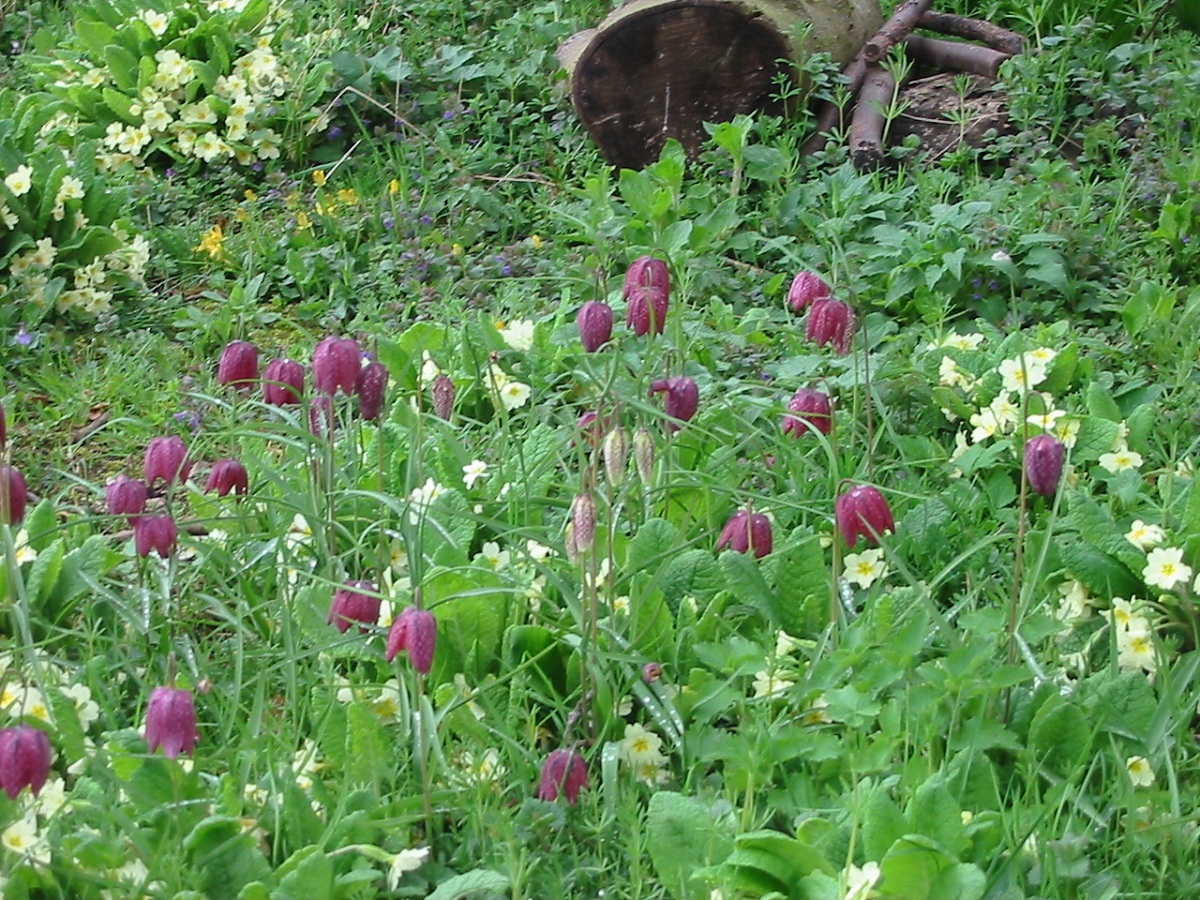
The plant has narrow, grey-green leaves that emerge from the base and occasionally appear along the stem. Snake’s head fritillary prefers moist soils and is most often seen in damp meadows and traditional grassland habitats, where it forms gentle drifts of colour in early spring.
How to Grow
Snakeshead fritillary grows best in moist, well-drained soil and is particularly suited to areas that stay naturally damp, such as meadow lawns, borders, and lightly shaded gardens. It performs especially well in conditions that mimic its natural habitat, including damp meadows and low-lying grassy areas.
Plant snake’s head fritillary bulbs in autumn at a depth of around 12cm (5 inches), spacing them roughly 10–15cm apart. Take care when handling the bulbs, as they are delicate and easily damaged. Adding a little sand or gravel to the planting hole can help improve drainage in heavier soils.
After planting, fritillaries may take one or two seasons to settle in and flower fully. Once established, they will return year after year and can slowly naturalise to create beautiful spring displays.
For the best effect, plant in informal groups or drifts rather than neat rows. They combine wonderfully with other British wild flowers and are ideal for creating a natural meadow-style planting scheme. With patience and the right conditions, Fritillaria meleagris will reward you with one of the most charming and elegant spring flowers you can grow.