 My Account
 Basket


Description
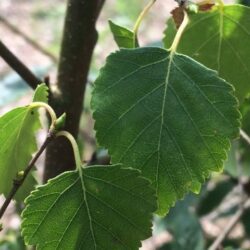
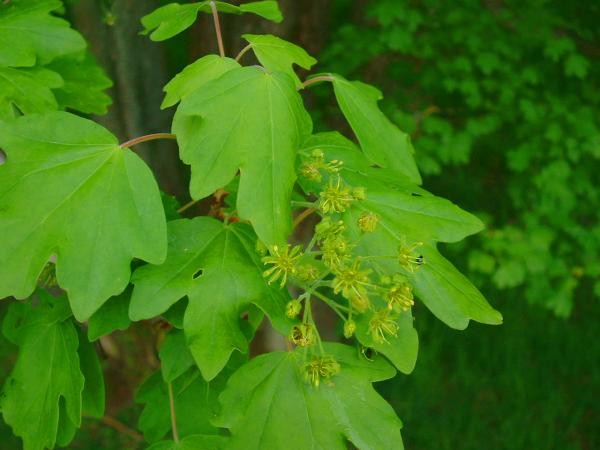
It is a deciduous tree reaching 15–25 m (49–82 ft) tall, with a trunk up to 1 m (3 ft 3 in) in diameter, it is sometimes called common maple. In Nottinghamshire, England it was known locally as dog oak. The UK’s only native maple, the acer campestre tree is very shade-tolerant during the initial stages of its life, but it has higher light requirements during its seed-bearing years. It exhibits rapid growth rate initially to establish itself. It is most commonly found on neutral to alkaline soil types. Lobed leaves turn golden yellow in autumn before falling.
If using in as hedge: All hedging plant species in a wildlife hedge can be cut back or “Coppiced” without harm. In the 1st year after establishment the hedge can be cut back to stimulate growth of the hedge from the base thereafter cut every 2-3 years. If the weather is unsuitable for planting or receiving the hedging, dig a hole and bury the roots of the bunched plants, they can be held like that till planting. After planting it is advantageous to mulch the hedge with lawn mowing or leaf mould to suppress weeds and also be done with plastic or carpet cuts and covered with soil.
Available as individual plants bare-root plants.