
 My Account
 Basket

In smaller UK gardens, choosing the right tree matters more than most people realise. The right tree can completely change how your garden feels, bringing colour, privacy, shade, wildlife, and structure throughout the year. The wrong one can quickly outgrow the space, block light, crowd borders, and become a job you regret planting a few years later.
That’s why choosing a tree for your garden isn’t just about how it looks. In many UK gardens where space is limited, it’s important to consider several factors, such as mature size, soil conditions, sunlight, maintenance, and the benefits that the tree will bring throughout the seasons.
From compact native species that support birds and pollinators to ornamental trees that bring colour and structure year-round, choosing the right tree helps create a garden that feels more balanced, natural, and full of life.
Practical Factors to Consider
A young tree can look small and harmless at first, but a few years of growth can have a massive impact on how your garden looks, feels, and functions.
1. Mature Height & Spread – How large a tree will grow is one of the most important factors to consider, especially when working with a smaller space. Always check the mature height and canopy spread before planting to avoid future problems with overcrowding, blocked light, or roots competing with nearby plants. If you are working with limited space, we recommend implementing smaller ornamental trees, columnar varieties, or weeping forms.
2. Deciduous or Evergreen Species – Evergreen trees keep their foliage throughout the year, making them ideal for providing privacy, structure, and screening. Deciduous trees, on the other hand, lose their leaves in autumn, but provide greater seasonal interest. They bring autumn colour, changing textures, and improved wildlife benefits throughout the seasons.
3. Planting Conditions – Not all trees thrive in the same environments. Before planting, think about:
- Soil type
- Drainage
- Sunlight
- Wind exposure
- Available growing Space
Some species prefer well-drained soil and full sun, while others prefer wetter soil, exposed gardens, or partial shade.
4. Surrounding Structures – It’s important to give your trees enough space to grow without impacting what surrounds them. Some trees need far more space than people expect once roots and canopies fully establish. Giving your tree enough room to grow will help to prevent expensive maintenance issues later down the line.
5. Seasonal Interest – The best gardens look good year-round, regardless of the season. Some trees are grown for spring blossom, others for autumn foliage, winter berries, or summer stems. Choosing a species that provides interest across all seasons will help keep your garden looking attractive throughout the year.
6. Wildlife Benefits – Many native UK trees provide important ecological benefits for local and visiting wildlife. Flowers can provide a source of nectar for pollinating insects, while berries and dense foliage can provide food and shelter for birds and mammals. If you’re looking to create a more wildlife-friendly garden, native species are often the most suitable trees that you can plant.
1. Crab Apple (Malus sylvestris)
If you’re looking for a tree that keeps your garden looking alive across every season, crab apple is one of the best native choices you can plant.
In spring, its branches become covered in white and pink blossoms that attract bees, butterflies, and other pollinating insects at a time when many gardens are only just beginning to wake up after winter. Through summer, its dense green foliage adds shade and structure before changing to warm shades of gold and bronze as autumn arrives.
By winter, the bare branches often remain dotted with colourful crab apples, attracting blackbirds, thrushes, and redwings to your garden when natural food sources become scarce.
Despite the amount of seasonal interest it provides, crab apple remains surprisingly manageable for smaller spaces. It grows well in most UK soils, tolerates both sun and partial shade, and works just as well in compact gardens as it does in larger wildlife-friendly spaces.

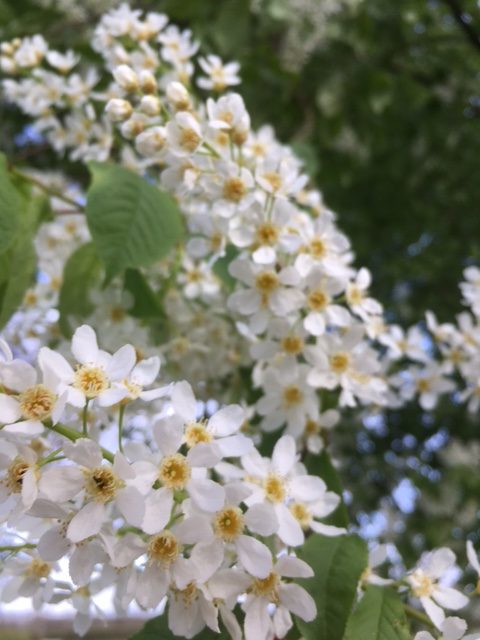
2. Bird Cherry (Prunus padus)
Bird cherry brings movement, scent, and wildlife activity into your garden from early spring onwards.
Its clusters of star-shaped white flowers appear in spring with a light almond scent, attracting bees, hoverflies, butterflies, and a wide range of pollinating insects. Later in the year, the tree produces small dark cherries that become an important food source for birds and small mammals as natural food supplies begin to decline.
Bird cherry is also far tougher than many people expect. Compared to its cousin, wild cherry, it tolerates wetter soils, cooler temperatures, and more exposed conditions much better, making it a reliable choice for UK gardens.
As autumn arrives, the foliage turns bright yellow before it falls, extending seasonal interest well beyond spring flowering alone. Beneath the soil, its roots form beneficial fungal relationships that help improve nutrient exchange and overall soil health.
3. Field Maple (Acer campestre)
Field maple is one of the easiest native trees to fit into almost any UK garden.
It works well as a standalone tree, a dense hedge, or a pleached screen if you want more structure and privacy around the garden.
Its flowers attract bees and other pollinating insects, while the leaves act as a valuable food source for caterpillars, ladybirds, and a variety of garden birds throughout the year.
One of the biggest benefits of the field maple is its versatility in different conditions. It is able to tolerate pollution, exposed locations, heavy winds, and most soil types, making it an ideal addition for open and demanding gardens.
In autumn, its leaves turn a rich golden-yellow colour, bringing strong seasonal colour before they fall in winter.

4. Common Holly (Ilex aquifolium)
Common holly trees maintain their dense evergreen canopy throughout the year, helping gardens feel fuller, greener, and more sheltered, especially during the colder months. Its bright red berries stand out against the dark foliage, acting as a valuable winter food source for birds, including thrushes, blackbirds, and redwings.
Its thick, spiny foliage also makes holly one of the most effective natural screening plants you can grow. Whether used as a standalone tree or hedging, it provides added privacy and wind protection.
During spring, small white flowers appear among the glossy leaves, attracting bees and other pollinating insects. Common holly also acts as a host plant for the holly blue butterfly.
Despite its prickly appearance, common holly is surprisingly easy to manage once established. It responds well to pruning, making it especially useful in smaller UK gardens where year-round structure and privacy are important.
Important Note: Holly berries are poisonous if consumed and should be kept away from children and pets.

5. Whitebeam (Sorbus aria)
Whitebeam is one of the toughest and most dependable native trees you can grow in the UK, making it especially useful for exposed or coastal gardens where other species may struggle against wind.
Its dark green leaves have striking silvery-white undersides that catch the light and flicker in the wind, bringing movement and texture into the garden throughout summer. In spring, clusters of creamy-white flowers provide a valuable nectar source for bees and other pollinating insects, before bright red berries begin to appear in autumn for blackbirds, mistle thrushes, and smaller wildlife.
Unlike many ornamental trees, whitebeam tolerates poor soils, drought, pollution, and strong winds extremely well, which is why it’s increasingly being planted in newer woodland and urban planting projects designed to cope better with harsher and changing weather conditions.
What makes whitebeam stand out is its ability to thrive in places where many other trees struggle, while still bringing seasonal colour, wildlife value, and texture into the garden with very little maintenance once established.

6. Dogwood (Cornus sanguinea)
Dogwood is a small native shrub that brings colour into the garden at a time when most other plants have faded for winter.
Throughout spring and summer, it produces clusters of creamy-white flowers that attract pollinating insects, followed by small black berries that provide food for birds and mammals later in the year. As autumn arrives, the foliage turns rich shades of red before the bare stems take over through winter.
What makes dogwood especially distinctive is how its stem colour changes depending on growing conditions. In full sun, the stems often develop deeper crimson and orange tones, while shadier spots produce fresher lime-green growth. On cold winter mornings, the bare stems can almost glow against frosty gardens, making dogwood one of the few plants that looks better as the weather worsens.
It grows well in most soil types, tolerates both sun and partial shade, and remains easy to maintain once established, making it a reliable choice if you want strong seasonal colour without planting a larger tree.

7. Rowan (Sorbus aucuparia)
Rowan is one of the best native trees for bringing wildlife and seasonal colour without overwhelming a smaller garden.
In spring, clusters of creamy-white flowers attract bees and other pollinating insects, before vibrant orange-red berries begin to appear later in the year. These berries become an important food source for blackbirds, waxwings, thrushes, and other birds heading into autumn and winter.
Its delicate, fern-like foliage also brings a lighter, softer appearance compared to denser garden trees, while autumn colour can range from rich yellow and orange tones through to deep crimson depending on conditions.
Rowan copes particularly well with colder, exposed, and upland conditions, making it a reliable option for tougher UK gardens where more delicate ornamental species may struggle. Despite its strong wildlife value, it remains relatively compact and manageable once established.

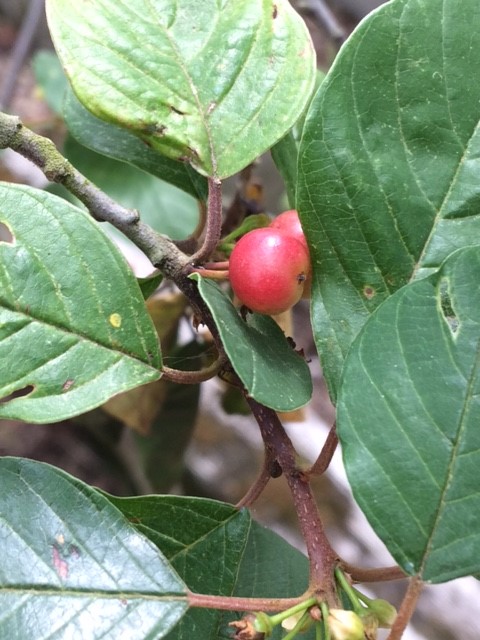
8. Alder Buckthorn (Frangula alnus)
If attracting more butterflies and birds into your garden is a priority, alder buckthorn is one of the most valuable native trees you can grow.
Its small spring flowers provide nectar and pollen for bees and pollinating insects, while the berries gradually ripen from green to red and deep purple-black, becoming an important food source for thrushes and other birds later in the year.
Alder buckthorn is especially important for the brimstone butterfly, whose caterpillars rely on the tree as one of their main food plants. Planting it can directly help support local butterfly populations around your garden.
Unlike many native trees, it thrives in damp soils and wetter conditions, making it ideal for pond edges, wildlife gardens, and natural planting schemes where other species may struggle. Its compact size also makes it easier to manage in smaller spaces.
9. Hawthorn (Crataegus monogyna)
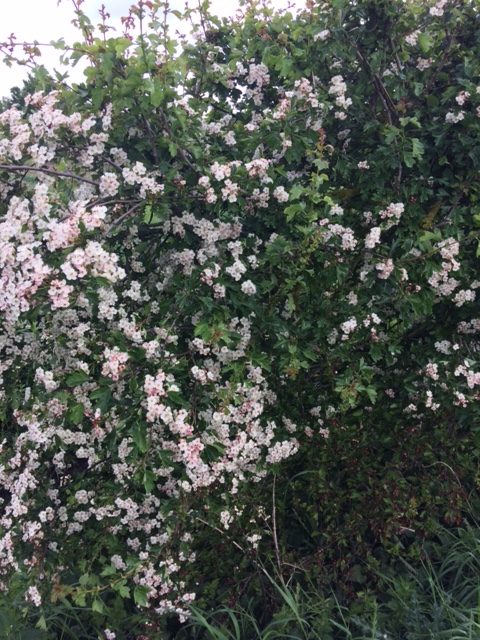
Few native trees support as much wildlife as hawthorn.
In spring, its branches become covered in masses of white blossom that attract bees, hoverflies, butterflies, and countless other pollinating insects. By autumn, the tree produces bright red haws that provide an important food source for birds and small mammals heading into winter.
For nesting birds, few garden trees offer better protection. Its dense, thorny structure creates one of the safest natural nesting spaces for birds and smaller garden wildlife, which is why hawthorn has been used in traditional UK hedgerows for centuries.
Despite its strong wildlife value, hawthorn is surprisingly tough and easy to manage. It tolerates exposed conditions, poor soils, and regular pruning well, making it suitable for hedging, screening, or smaller wildlife-friendly gardens where space is more limited.
In autumn, the foliage turns warm yellow tones before leaf fall, helping extend seasonal interest beyond spring flowering alone.
10. Common Buckthorn (Rhamnus cathartica)
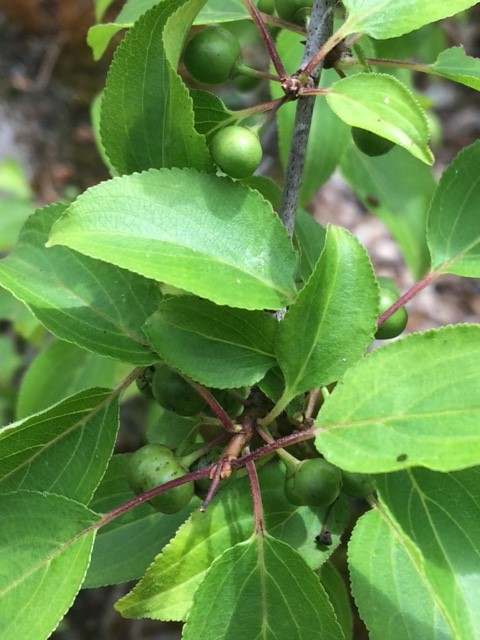
Common buckthorn is a hardy native tree that brings reliable wildlife value without needing much maintenance once established.
Its small green-yellow flowers provide an early nectar source for bees and pollinating insects during spring, while the dark berries that follow later in the year become an important food source for birds such as thrushes and blackbirds heading into winter.
Like alder buckthorn, it also plays an important ecological role as a food plant for brimstone butterflies, helping support local butterfly populations and overall garden biodiversity.
If your garden has poor soil, exposed conditions, or drier ground, common buckthorn is one of the more reliable native trees you can grow. It tolerates chalky soils, drought, wind, and difficult conditions far better than many ornamental species.
Its dense branching habit also makes it effective for wildlife hedging and natural screening, creating valuable shelter and nesting areas for birds throughout the year.
Top Tips for Planting & Maintaining Garden Trees
- Choose the right location – Always consider the tree’s mature height and spread before planting. Giving trees enough space from the start helps avoid future problems with blocked light, overcrowding, and root disruption.
- Plant during the dormant season – Autumn through to early spring is usually the best time to plant trees in the UK, as cooler temperatures and wetter soil help roots establish more successfully.
- Improve the soil before planting – Mixing organic matter or compost into the planting area helps improve drainage, moisture retention, and long-term root development, especially in poorer soils.
- Water young trees regularly – Newly planted trees need consistent watering during their first growing season, particularly during dry or hot weather, while roots establish.
- Don’t over-prune early on – Most young trees establish better with minimal pruning. Remove dead, damaged, or crossing branches, but avoid excessive shaping during the first few years.
- Support wildlife naturally – Leaving berries, seed heads, and fallen leaves where appropriate can provide valuable shelter and food for birds, pollinators, and beneficial insects throughout the seasons.
Regardless of your garden size or location, the right tree can completely transform how your outdoor space looks and feels. From adding privacy and seasonal colour to supporting birds, pollinators, and local wildlife, trees bring long-term value that few other plants can match.
Choosing species that suit your soil, space, and growing conditions will help create a garden that feels more balanced, natural, and enjoyable throughout the year. Even smaller gardens can benefit from carefully chosen native trees that provide structure, shade, and wildlife support without becoming difficult to manage.
Ready to improve your garden today? At Naturescape, we have an extensive range of native trees and hedging suitable for gardens across the UK. Whether you’re looking to create more privacy, attract wildlife, or add year-round seasonal interest, we have the seeds, plants, and practical advice to help you grow with confidence.
